Free Consultation | 24/7 Live Answering
(912) 325-7783
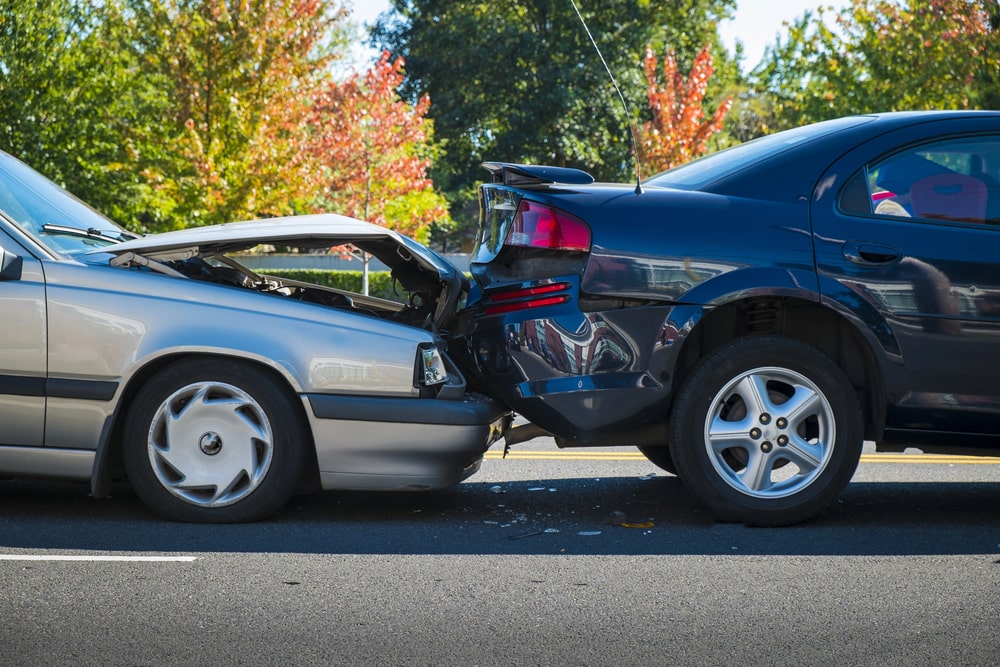
If you’ve been injured in a car crash in Savannah, you’re probably dealing with more than just vehicle damage. Medical bills stack up. You might be missing work. Insurance adjusters call constantly, asking for statements and documentation while offering settlements that barely cover your emergency room visit.
This is not a situation you should handle alone.
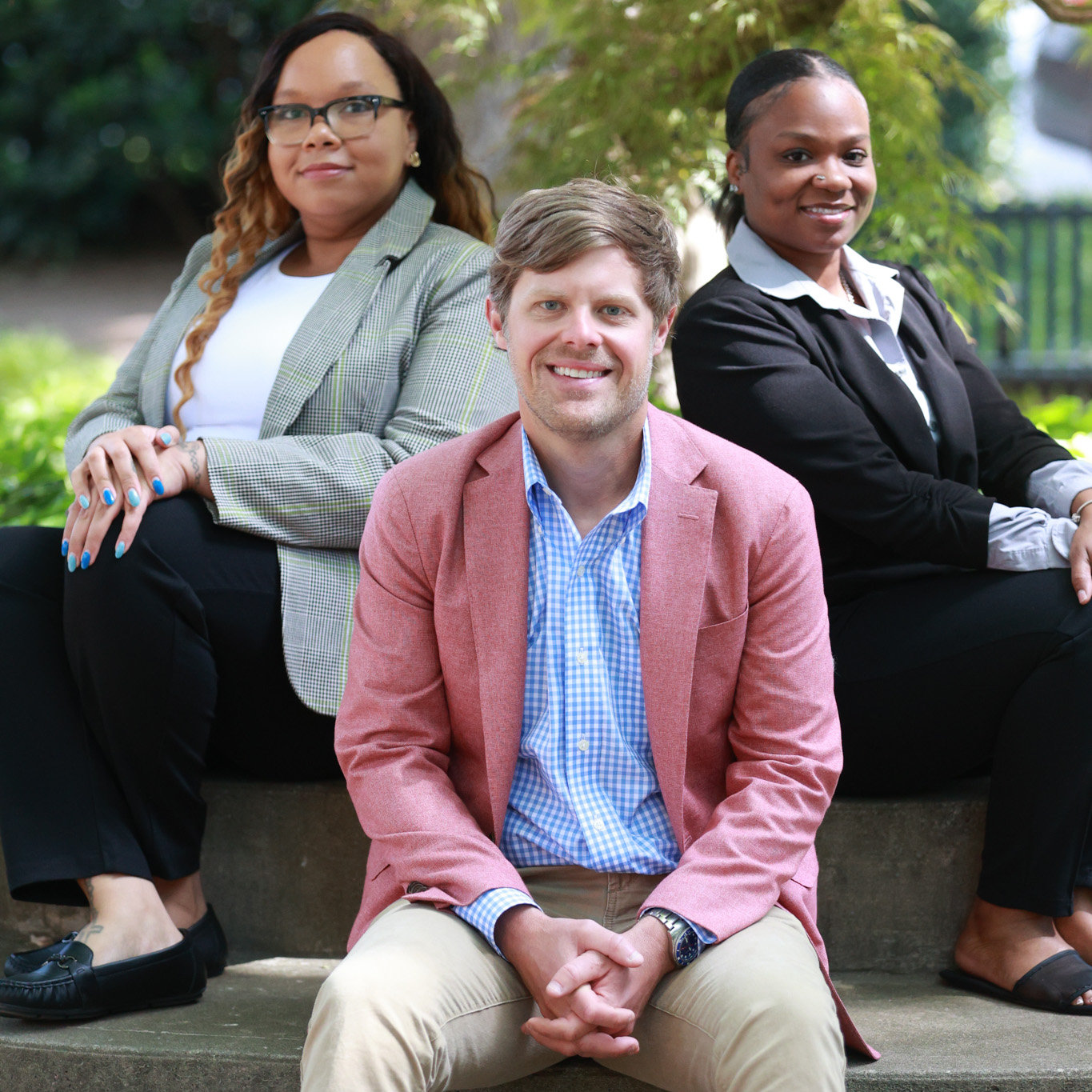
Our Savannah, GA car accident lawyer at Chattahoochee Injury Law has been representing injured drivers, passengers, and pedestrians throughout Chatham County for over a decade. Founding Attorney Benjamin Clary has spent 13 years fighting insurance companies on behalf of accident victims. He understands Georgia’s fault-based insurance system, knows which adjusters play games, and recognizes when initial offers fall short of covering actual damages.
We offer free consultations. And you won’t pay attorney fees unless we recover compensation for your injuries.
Attorney Ben Clary practices throughout Chatham County. He knows how cases move through Savannah’s State Court system. He’s familiar with local judges, understands how juries in this area respond to certain arguments, and has seen which strategies work against major insurers operating in Georgia.
Working with a personal injury lawyer in Savannah who understands the local legal landscape matters. Attorneys who fly in from Atlanta or Jacksonville lack this ground-level familiarity.
Ben graduated from Walter F. George School of Law at Mercer University and earned his undergraduate degree from the College of Charleston. He has been rated by Super Lawyers and holds a Martindale-Hubbell AV Preeminent Rating—their highest distinction for legal ability and ethical standards.
Our firm has recovered millions of dollars for clients injured in vehicle collisions. That includes a $5.6 million recovery in a commercial vehicle accident case. Another client received $750,000 after a collision with a commercial truck. Several other car accident cases have resulted in settlements ranging from $60,000 to $415,000, depending on the severity of injuries and available insurance coverage.
Every case is different. But these results reflect our willingness to push for full value rather than accepting the first lowball offer.
You won’t get passed off to a paralegal every time you call. Ben Clary handles cases personally and remains accessible throughout the process.
★★★★★
“Ben Clary and his Paralegal Dominic were nothing but AMAZING! Since this was my first injury motor vehicle accident I had no idea what to expect. They were very informative from beginning to end. I had direct communication with my attorney AT ALL TIMES. He was literally a text/call a way. I loved that. I am very pleased with my experience with Chattahoochee Injury Law. Highly Recommend!” — Fabiola Winspeare
Read more reviews on our Google Business Profile.
We don’t charge upfront fees. You only pay if we win your case. This arrangement allows injured people to access legal representation regardless of their current financial situation—which often includes medical debt and lost wages.
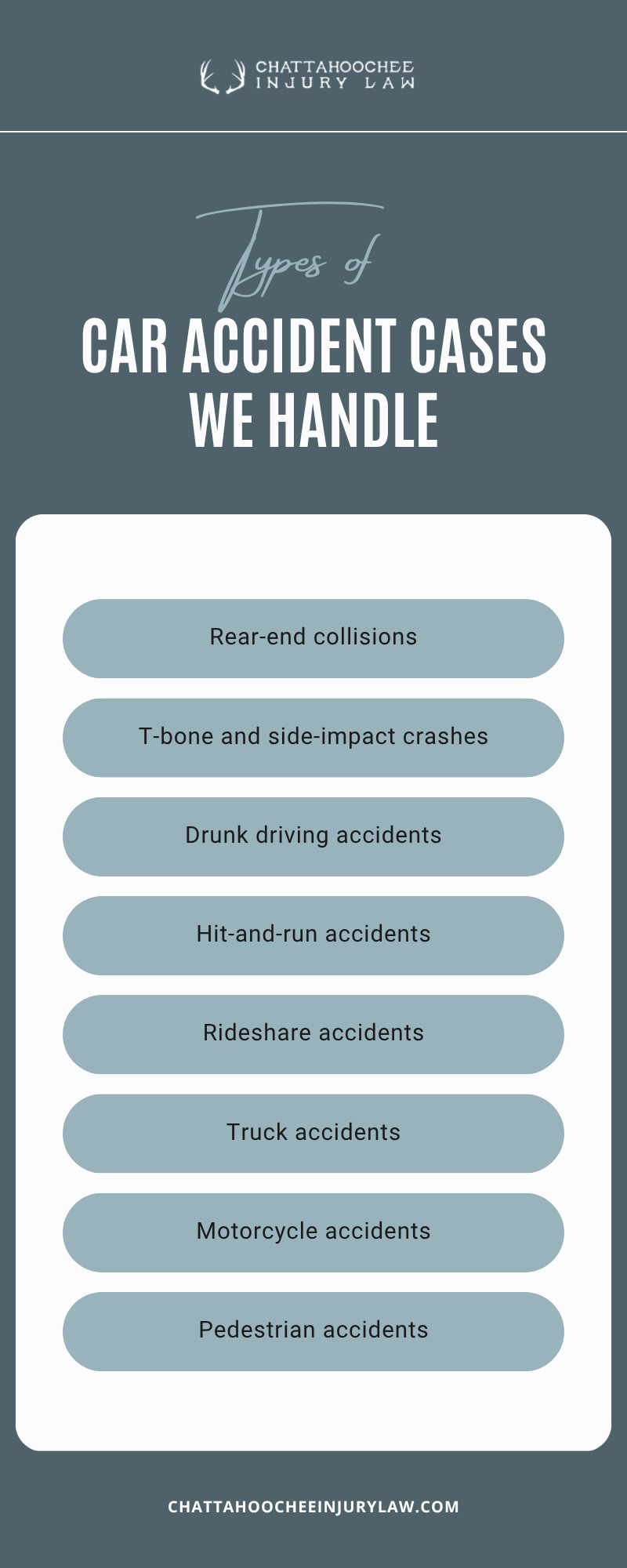
 Collisions happen in all kinds of circumstances. The type of accident affects how we investigate, who we pursue for compensation, and what evidence matters most.
Georgia operates under a fault-based insurance system. The driver who caused the accident bears financial responsibility for resulting injuries and property damage. This means you can pursue compensation from the at-fault driver’s liability insurance—or through a personal injury lawsuit if necessary.
The state requires all drivers to carry minimum liability coverage: $25,000 per person for bodily injury, $50,000 per accident for bodily injury, and $25,000 for property damage. These minimums are often insufficient for serious crashes. According to the Georgia Department of Driver Services, drivers must maintain proof of insurance at all times.
Georgia follows a modified comparative negligence rule under O.C.G.A. § 51-12-33. If you are found partially at fault for the collision, your compensation gets reduced by your percentage of fault. However, if you’re 50% or more responsible, you cannot recover any damages. Insurance adjusters frequently try to shift blame onto injured parties to reduce what they owe.
The statute of limitations for personal injury claims in Georgia is two years from the date of the accident. This deadline comes from O.C.G.A. § 9-3-33. Miss it, and you lose your right to file a lawsuit entirely. Two years sounds like plenty of time. It isn’t. Building a strong case takes months of investigation, medical documentation, and negotiation.
Car accident victims in Georgia can pursue three categories of damages: economic, non-economic, and—in certain circumstances—punitive.
These cover your actual financial losses. Medical expenses top the list: emergency care, hospitalization, surgery, physical therapy, prescription medications, and future treatment for ongoing injuries. According to the Centers for Disease Control and Prevention, motor vehicle crashes cost the U.S. healthcare system billions annually.
Lost wages also fall under economic damages. If you missed work during recovery, you’re entitled to compensation. If your injuries prevent you from returning to your previous occupation—or from working at all—you may recover lost earning capacity. This requires documentation of your income history and sometimes testimony from vocational rehabilitation specialists.
Property damage covers vehicle repairs or replacement value if your car was totaled.
Not all losses come with receipts. Pain and suffering compensation accounts for physical discomfort, emotional distress, anxiety, depression, and reduced quality of life. These damages vary significantly depending on injury severity and how the collision has impacted your daily activities.
Georgia does not cap non-economic damages in most personal injury cases. The amount depends on evidence presented at trial or during settlement negotiations.
Georgia law allows punitive damages when the at-fault driver’s conduct was especially reckless or showed willful disregard for safety. Drunk driving accidents frequently qualify. These damages punish the wrongdoer and deter similar behavior. Under O.C.G.A. § 51-12-5.1, punitive damages are capped at $250,000 in most cases, with exceptions for certain egregious conduct.
 What you do immediately after a collision affects both your health and your legal claim. Here are the steps you should follow:
1. Check for injuries and move to safety. If you can move and it’s safe to do so, get yourself and passengers away from traffic. Do not attempt to move anyone with potential spinal injuries.
2. Call 911. Report the accident to Savannah-Chatham Metropolitan Police or the appropriate agency. A police report documents the scene, captures witness statements, and often includes the officer’s preliminary assessment of fault. You’ll need this report for your insurance claim.
3. Exchange information. Get the other driver’s name, phone number, insurance company, policy number, driver’s license number, and license plate. Do not discuss fault or apologize—even casually.
4. Document everything. Use your phone to photograph vehicle damage, the accident scene, traffic signs, road conditions, skid marks, and your visible injuries. These photos become evidence.
5. Gather witness information. If bystanders saw the crash, get their contact information. Independent witnesses can corroborate your account of what happened.
6. Seek medical attention. Even if you feel fine, get examined. Some injuries—including traumatic brain injuries and internal bleeding—don’t show immediate symptoms. Medical records also establish a connection between the accident and your injuries.
7. Notify your insurance company. Report the accident to your insurer, but keep the conversation factual. Don’t provide recorded statements to the at-fault driver’s insurance without consulting an attorney first.
8. Preserve evidence. Keep all medical records, bills, receipts, and documentation of missed work. Don’t repair your vehicle until it’s been photographed and inspected by your attorney or insurance adjuster.
9. Avoid social media. Insurance investigators search social media for posts that contradict injury claims. A photo of you at a family event can be twisted to suggest your injuries aren’t serious.
10. Contact a Savannah car accident attorney. The sooner you have legal representation, the better positioned you are to protect your rights. Insurance companies have teams of adjusters and lawyers working against your interests from day one.
Understanding local crash data puts your situation in context—and highlights why driving in Savannah carries real risks.
According to the Georgia Governor’s Office of Highway Safety, Chatham County consistently ranks among the state’s most dangerous areas for motor vehicle collisions. In 2022, Chatham County recorded over 11,000 reported crashes. Hundreds resulted in serious injuries. Dozens were fatal.
The National Highway Traffic Safety Administration reports that Georgia saw over 1,700 traffic fatalities statewide in recent years, with a significant portion involving alcohol-impaired drivers. Distracted driving—primarily cell phone use—contributes to thousands of crashes annually across the state.
Savannah’s unique characteristics contribute to its crash statistics. The city attracts millions of tourists each year. Many visitors unfamiliar with local roads navigate the Historic District’s tight streets and one-way patterns. Add in college students from SCAD and Savannah State, plus commercial traffic from the Port of Savannah—one of the busiest container ports on the East Coast—and you have a recipe for frequent collisions.
Intersection crashes remain particularly common. The Federal Highway Administration notes that roughly half of all traffic injuries nationwide occur at or near intersections. In Savannah, intersections along Abercorn Street, Victory Drive, and DeRenne Avenue see regular accidents.
Speeding plays a major role. According to NHTSA speed data, speeding was a contributing factor in 29% of all traffic fatalities nationwide. Georgia’s numbers mirror this trend.
The takeaway: car accidents in Savannah aren’t rare events. They happen daily. When they happen to you, having an experienced Savannah auto accident lawyer makes a difference in how your claim proceeds.
 How Much Does A Car Accident Attorney In Savannah Cost?
At Chattahoochee Injury Law, we work on contingency. You pay nothing upfront. Our fee comes from a percentage of your settlement or verdict—meaning we only get paid if you do. This arrangement lets injured people access quality legal representation without worrying about hourly rates or retainers.
Two years from the date of the accident. This deadline applies to personal injury claims. Property damage claims have a four-year statute of limitations. Waiting too long can destroy your case, even if you have strong evidence.
Georgia requires uninsured/underinsured motorist coverage on all policies unless you specifically reject it in writing. If the at-fault driver lacks adequate coverage, your own UM/UIM policy may cover your damages. Our firm helps clients navigate these claims.
Almost never. Initial offers typically undervalue your claim. Insurers know most people want quick resolution. A car accident lawyer in Savannah, GA can evaluate whether an offer fairly compensates your actual damages—or whether negotiation or litigation would serve you better.
Georgia’s modified comparative negligence rule reduces your compensation by your percentage of fault. If you were 20% responsible, you’d recover 80% of your damages. However, if you’re 50% or more at fault, you recover nothing. Insurance adjusters work hard to assign blame to victims. We fight back.
It varies. Straightforward cases with clear liability and cooperative insurers might settle within months. Complex cases involving disputed fault, severe injuries, or wrongful death can take a year or longer—especially if they go to trial.
Most cases settle without trial. Insurance companies prefer to avoid courtroom uncertainty. However, if fair settlement isn’t possible, we’re prepared to litigate. Trial readiness often motivates better settlement offers.
Everything. Photos of the scene and vehicles. The police report. Medical records and bills. Pay stubs showing missed work. Receipts for out-of-pocket expenses. Communications with insurance companies. Your attorney can advise on additional documentation.
Yes, but Georgia’s seatbelt defense may reduce your recovery. Under O.C.G.A. § 40-8-76.1, the other driver can argue that your injuries would have been less severe with proper restraint. This doesn’t eliminate your claim—it may reduce compensation.
Stick to basic facts: your name, contact information, the date and location of the accident. Don’t provide recorded statements without legal advice. Don’t discuss injuries in detail. Don’t speculate about fault. Adjusters are trained to elicit statements that hurt your claim.
If another driver’s negligence caused the collision and you suffered injuries or property damage, you likely have a valid claim. Free consultations with our firm can determine whether pursuing legal action makes sense for your situation.
Any injury caused by another driver’s negligence qualifies. This includes whiplash, broken bones, spinal cord injuries, herniated discs, traumatic brain injuries, internal organ damage, lacerations, and psychological trauma like PTSD.
Not directly by the defendant or their insurance during litigation. You may use your health insurance or medical payments coverage on your auto policy. Some providers offer treatment on a lien basis, meaning they get paid from your settlement. We can discuss options during your consultation.
Hit-and-run victims can pursue compensation through their uninsured motorist coverage. Police investigation may identify the driver later. Even without an identified defendant, you have options for recovering damages.
Look for experience handling Georgia car accident cases specifically. Check reviews and case results. Make sure the attorney communicates clearly and makes you feel comfortable. Ask about their approach to your specific situation during a free consultation.
 Certain roads and intersections in Savannah see disproportionate numbers of collisions. If you drive regularly in this area, these locations demand extra caution.
Abercorn Street runs as a major north-south artery through the city. Heavy commercial traffic, frequent turn lanes, and inconsistent speed limits create hazardous conditions. The stretch between Oglethorpe Mall and Savannah Quarters is particularly problematic.
Victory Drive (US 80) connects Savannah to Tybee Island. The mix of local commuters, beach traffic, and commercial vehicles—combined with numerous intersections and driveways—leads to frequent crashes.
DeRenne Avenue serves as a major east-west corridor. The intersection with Abercorn is one of the busiest in Chatham County. High traffic volume during rush hours increases rear-end collision risk.
Interstate 16 connects Savannah to Macon. The I-16/I-95 interchange sees heavy congestion, especially during tourist season and around holidays. Merge-related crashes happen regularly.
Montgomery Street and the surrounding Historic District present challenges with narrow lanes, one-way streets, and pedestrians crossing mid-block. Tourists unfamiliar with the layout contribute to fender-benders and more serious collisions.
White Bluff Road in the Southside area carries significant residential traffic with several poorly timed lights.
The following resources may help after a crash. Inclusion on this list does not constitute an endorsement by Chattahoochee Injury Law.
If you or someone in your family was hurt in a car crash in Savannah, we can help you understand your options and pursue the compensation you deserve.
Consultations are free. You don’t pay unless we recover money for you.
Attorney Ben Clary and our team respond promptly to new client inquiries. We’re ready to review your case, answer your questions, and explain how we’d approach your situation. Whether your accident happened yesterday or several months ago, reaching out now protects your rights.
Contact us to schedule your free consultation with a Savannah car accident attorney.