Free Consultation | 24/7 Live Answering
(912) 325-7783
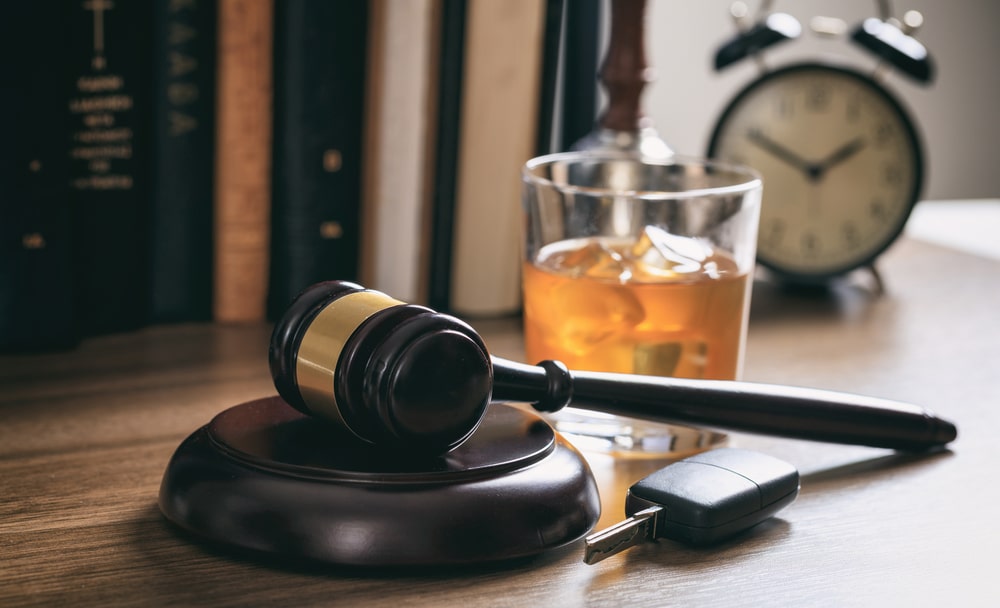
If you have been injured by a drunk driver, you are dealing with something beyond an ordinary traffic accident. This was not a momentary lapse in judgment or a simple mistake. Someone made a conscious decision to get behind the wheel after consuming alcohol—knowing the dangers, knowing the law, knowing they could kill someone. And that decision caused you harm.
The injuries from impaired driving collisions tend toward the severe. Drunk drivers often travel at excessive speeds. They fail to brake. They do not take evasive action. The collisions they cause involve maximum impact force. Victims suffer broken bones, internal organ damage, spinal cord injuries, traumatic brain injuries. Some do not survive.
Beyond the physical trauma, there is a particular kind of anger that accompanies these cases. This should not have happened. It was entirely preventable. Someone chose to drink and drive anyway.
A Savannah, GA DUI accident lawyer at Chattahoochee Injury Law represents victims of impaired drivers throughout Chatham County. We have pursued these cases for 13 years. Drunk driving claims differ from standard motor vehicle accident cases—they involve criminal proceedings, potential punitive damages, and heightened insurance company resistance. We understand how to navigate these complexities while fighting for the compensation you deserve.
Consultations are complimentary. You pay no attorney fees unless we recover on your behalf.
Standard car accident claims focus on negligence. DUI cases go further. The impaired driver’s conduct was not merely careless—it was reckless. Georgia law recognizes this distinction through provisions permitting punitive damages when defendants act with willful disregard for the safety of others.
Criminal proceedings typically accompany serious drunk driving accidents. The at-fault driver faces DUI charges, potential jail time, license suspension. These parallel proceedings create both opportunities and complications for civil claims. Evidence from criminal cases—blood alcohol test results, field sobriety test footage, officer testimony—becomes available for civil litigation. But timing matters, and coordination between criminal and civil proceedings requires careful attention.
Ben Clary, founder of Chattahoochee Injury Law, has represented drunk driving accident victims for over a decade. He understands how to obtain criminal case evidence, how to use it effectively in civil claims, and how to pursue punitive damages that hold impaired drivers financially accountable beyond mere compensation.
Ben earned his J.D. from Mercer University’s Walter F. George School of Law following undergraduate studies at the College of Charleston. His professional recognition includes a Martindale-Hubbell AV Preeminent Rating and acknowledgment from Super Lawyers.
Chattahoochee Injury Law has secured millions of dollars for clients injured in vehicle collisions. Drunk driving cases often produce larger recoveries than comparable accidents involving sober drivers—both because injuries tend toward greater severity and because punitive damages may apply.
A personal injury attorney in Savannah handling DUI victim claims must understand how to maximize recovery. That includes pursuing all available defendants—not just the driver, but potentially bars or social hosts who served alcohol illegally—and presenting evidence that supports punitive awards.
Drunk driving accidents inflict trauma that extends beyond physical injuries. The knowledge that someone’s selfish decision caused your suffering—or took a family member’s life—produces grief, anger, and frustration that complicate recovery.
Our firm provides steady guidance through this process. Ben Clary remains personally involved in every case, accessible when clients have questions or need support.
★★★★★
“Ben is a really great lawyer. He helped me through a really tough time. I was able to return to my life while he handled everything, and if I ever had any questions, he was always happy to answer. Overall, he’s just a great person, and I honestly don’t think I could have chosen a better lawyer. If you’re looking for a lawyer who will fight for you, I sincerely and highly recommend Ben.” — Brisa Rodriguez
Additional client experiences appear on our Google Business Profile.
Victims of drunk drivers should not face financial barriers to legal representation. We accept these cases on contingency—no retainers, no hourly fees. Our firm advances all litigation costs. Payment comes exclusively from the compensation we recover.
 Impaired driving collisions occur under varied circumstances. The type of accident, the vehicles involved, and your role in the incident all affect how we pursue your claim.
We evaluate injury claims arising from all forms of impaired driving.
Georgia law provides specific provisions addressing impaired driving and the civil claims that follow drunk driving accidents.
The legal blood alcohol limit in Georgia is 0.08% for most drivers, as established under O.C.G.A. § 40-6-391. Commercial drivers face a 0.04% limit. Drivers under 21 face a 0.02% limit. Exceeding these thresholds constitutes DUI per se—meaning intoxication is presumed regardless of observed impairment.
However, drivers may be charged with DUI at any BAC level if impairment affects their ability to operate a vehicle safely. And for civil claims, proving DUI creates strong evidence of negligence—but compensation requires additionally proving that the impairment caused the accident and your injuries.
Georgia recognizes negligence per se doctrine. When a defendant violates a statute designed to protect public safety—such as DUI laws—that violation may constitute negligence as a matter of law. This streamlines proof in drunk driving cases, though causation and damages must still be established.
Punitive damages become available under O.C.G.A. § 51-12-5.1 when defendants act with willful misconduct, fraud, wantonness, or conscious indifference to consequences. Drunk driving typically qualifies. Unlike compensatory damages that reimburse victims, punitive damages punish wrongdoers and deter similar conduct. The general cap of $250,000 does not apply to cases involving specific intent to harm or impaired driving.
Georgia’s comparative fault doctrine under O.C.G.A. § 51-12-33 reduces recovery if the victim shares responsibility. However, being struck by a drunk driver rarely involves victim fault. Insurance companies may still attempt to assign blame—alleging speeding, improper lane position, or failure to avoid the collision. We counter these arguments with evidence.
The statute of limitations provides two years from the accident date under O.C.G.A. § 9-3-33. Wrongful death claims follow the same deadline. Criminal proceedings do not toll this limitation—civil claims must proceed regardless of criminal case status.
Drunk driving accident victims may recover across all standard damage categories—plus punitive damages that standard negligence cases do not support.
These encompass your quantifiable financial losses. Medical expenses constitute the primary component: emergency care, hospitalization, surgery, diagnostic imaging, follow-up appointments, physical therapy, occupational therapy, prescription medications, and ongoing treatment for lasting injuries.
Drunk driving collisions frequently produce catastrophic harm. Traumatic brain injuries result when heads strike dashboards, windows, or steering wheels with forces that impaired drivers fail to mitigate through braking. Spinal cord damage produces paralysis. Internal organ injuries require emergency surgery. According to the National Highway Traffic Safety Administration, alcohol-impaired crashes account for approximately 30% of all traffic fatalities nationwide.
Lost wages cover income forfeited during recovery. Lost earning capacity addresses permanent reductions in your ability to work—particularly significant when brain or spinal injuries prevent returning to previous employment.
Property damage includes vehicle repair or replacement, damaged personal belongings, and other tangible losses.
Certain losses resist precise quantification. Pain and suffering addresses physical discomfort—both acute pain from injuries and chronic pain persisting after treatment. Emotional distress covers anxiety, depression, post-traumatic stress, and fear associated with the accident and its aftermath.
Loss of enjoyment of life compensates for activities no longer possible or pleasurable. An athlete who cannot compete. A musician who cannot play. A parent who cannot lift their children. These losses deserve compensation even without receipts documenting their value.
Disfigurement—scarring from burns, lacerations, or surgical interventions—carries independent damages. Loss of consortium permits spouses to recover for impaired marital relationships.
Georgia does not cap non-economic damages in personal injury cases. Juries determine appropriate compensation based on evidence presented.
This category distinguishes drunk driving claims from ordinary accident cases. Punitive damages do not compensate victims—they punish wrongdoers and deter similar conduct. Georgia law explicitly permits punitive awards when defendants demonstrate willful misconduct or conscious indifference to consequences.
Driving drunk satisfies this standard. The driver knew alcohol impairs judgment and reaction time. They knew drunk driving is illegal. They knew they could injure or kill someone. They drove anyway.
Under O.C.G.A. § 51-12-5.1, the $250,000 cap on punitive damages does not apply when the defendant acted with specific intent to cause harm or was under the influence of alcohol or drugs. This exception means drunk driving cases may produce substantial punitive awards.
Georgia’s dram shop law, codified at O.C.G.A. § 51-1-40, permits claims against alcohol providers in certain circumstances. If a bar, restaurant, or liquor store served alcohol to a person who was noticeably intoxicated or underage, and that person subsequently caused an accident, the establishment may share liability.
Social hosts who serve alcohol to minors may face similar liability. These additional defendants expand available insurance coverage and recovery potential.
 If you have been injured by a drunk driver, certain actions protect both your health and your legal claim. Evidence in these cases can be particularly valuable—and particularly time-sensitive.
1. Call 911 immediately. Report the accident and request police and emergency medical services. Emphasize if you suspect the other driver is intoxicated. Officers will conduct field sobriety testing and potentially arrest the driver, creating crucial evidence for your civil claim.
2. Seek medical attention promptly. Even if injuries seem minor initially, get evaluated. Internal bleeding, concussions, and soft tissue damage may not produce immediate symptoms. Medical records document that your injuries resulted from this collision.
3. Document everything possible. Photograph vehicle damage, the accident scene, traffic signals, road conditions, and your visible injuries. If safe to do so, photograph the other driver—their demeanor may suggest intoxication. Note any observations: slurred speech, alcohol odor, unsteady movement, open containers in their vehicle.
4. Obtain witness information. Bystanders who observed the other driver’s behavior—both before and after the collision—provide valuable testimony. Anyone who saw the driver consuming alcohol beforehand is particularly important. Collect names and phone numbers.
5. Preserve physical evidence. Keep damaged clothing, vehicle components, and personal items. Do not repair your vehicle before thorough documentation. These items may become evidence.
6. Request the police report. This document contains the officer’s observations, the driver’s BAC test results, witness statements, and potentially the DUI arrest record. We obtain these records, but you may request a copy directly as well.
7. Avoid discussing the accident publicly. Do not post on social media about the collision, your injuries, or the other driver. Insurance defense attorneys monitor online activity for statements they can use against you.
8. Do not accept early settlement offers. Insurance companies often approach drunk driving accident victims quickly, hoping to settle before the full extent of injuries—and punitive damage potential—becomes apparent. Early offers typically undervalue claims substantially.
9. Track the criminal proceedings. The drunk driver will face criminal charges. These proceedings produce evidence useful in civil claims: BAC results, police testimony, potentially a guilty plea or conviction. We monitor criminal cases and obtain relevant records.
10. Contact a Savannah DUI accident attorney. We have prepared a detailed guide on what to do if injured by a drunk driver that explains these steps in greater depth. Early legal involvement ensures proper evidence preservation and positions your claim for maximum recovery.
Drunk driving remains a persistent and deadly problem despite decades of public awareness campaigns and increasingly severe criminal penalties.
The National Highway Traffic Safety Administration reports that approximately 13,000 people die in alcohol-impaired driving crashes annually in the United States. This represents roughly one death every 39 minutes. Hundreds of thousands more suffer non-fatal injuries.
NHTSA data indicates that alcohol-impaired crashes account for approximately 30% of all traffic fatalities. The percentage rises during nighttime hours and on weekends. Holidays—particularly New Year’s Eve, Independence Day, and Thanksgiving weekend—see elevated drunk driving fatality rates.
The Centers for Disease Control and Prevention documents the broader public health implications. Beyond deaths and injuries, impaired driving imposes economic costs exceeding $44 billion annually in medical expenses, legal costs, lost productivity, and property damage.
Georgia’s statistics reflect national patterns. The Governor’s Office of Highway Safety reports hundreds of alcohol-impaired driving fatalities statewide each year. Georgia ranks among the states with higher per capita rates of drunk driving deaths.
Chatham County contributes to these figures. Savannah’s active nightlife—River Street bars, downtown restaurants, entertainment venues—creates environments where alcohol consumption and subsequent driving decisions intersect. Tourism increases exposure, as visitors unfamiliar with local roadways attempt to drive after drinking.
The Insurance Institute for Highway Safety notes that drunk driving crashes disproportionately involve young drivers. Males are substantially overrepresented in impaired driving statistics. Repeat offenders account for a significant percentage of drunk driving arrests—many people convicted of DUI have prior offenses.
Despite these grim statistics, drunk driving is entirely preventable. Every drunk driving crash represents a choice someone made. Rideshare services, designated drivers, taxis, public transit—alternatives exist. Those who choose to drive impaired bear moral responsibility beyond mere negligence.
 What Is The Difference Between A DUI Case And A Regular Car Accident Case?
DUI cases involve criminal conduct, not just negligence. This distinction creates opportunities for punitive damages beyond compensatory recovery. Criminal proceedings produce evidence—BAC results, arrest records, officer testimony—that strengthens civil claims. Insurance companies resist these cases aggressively because potential exposure is substantially higher.
Yes. Criminal and civil proceedings are separate. The state prosecutes criminal charges to punish the offender. Your civil lawsuit seeks compensation for your injuries. Both may proceed simultaneously, though coordination matters. A criminal conviction strengthens your civil case but is not required for civil recovery.
Medical expenses, lost wages, lost earning capacity, pain and suffering, emotional distress, disfigurement, and loss of enjoyment of life—all standard personal injury damages. Additionally, punitive damages are available specifically because drunk driving constitutes willful misconduct rather than mere negligence.
There is no fixed formula. Georgia’s general $250,000 cap on punitive damages does not apply to impaired driving cases. Juries determine appropriate punitive awards based on the defendant’s conduct, financial circumstances, and the need for deterrence. Some verdicts reach hundreds of thousands or even millions of dollars.
We investigate all potential sources of recovery. Your own uninsured/underinsured motorist coverage may apply. If the driver was served alcohol while visibly intoxicated, the bar or restaurant may bear liability under Georgia’s dram shop law. Employers may be liable if the driver was working. We identify every possible defendant.
Potentially. Georgia’s dram shop law permits claims against alcohol providers who serve noticeably intoxicated persons or minors if that service contributes to subsequent accidents. These claims require proving the establishment knew or should have known the patron was already impaired. We investigate where the driver was drinking.
Two years from the accident date. Criminal proceedings do not extend this deadline. Even if the driver’s criminal case is pending, your civil claim must be filed within the limitation period.
Not necessarily. While criminal convictions provide useful evidence, waiting may jeopardize your claim. The two-year statute of limitations runs regardless of criminal case status. Evidence becomes harder to preserve over time. We can coordinate with criminal proceedings while pursuing your civil claim.
Georgia’s comparative fault rule reduces recovery proportionally. However, victims of drunk driving rarely bear significant fault. The driver who chose to drink and drive is overwhelmingly responsible. Insurance companies may allege contributory negligence—we counter these claims with evidence.
Police reports documenting BAC results and arrest. Blood or breath test records. Field sobriety test results. Witness statements regarding the driver’s behavior and consumption. Surveillance footage from bars or accident scenes. 911 calls. Medical records establishing your injuries. Receipts or credit card records showing where the driver drank.
Claims proceed against the deceased driver’s estate and insurance coverage. The driver’s death does not eliminate your right to compensation. Estate representatives substitute as defendants in civil litigation.
Timelines vary. Simple cases with clear liability and adequate insurance may settle within several months. Complex cases—disputed facts, multiple defendants, catastrophic injuries—can extend beyond a year. Criminal proceedings may affect timing, as useful evidence emerges from that process.
Eventually, yes. But initial offers typically undervalue claims substantially. Insurers want to close files before punitive damage exposure becomes fully apparent. Accepting early offers often means sacrificing significant compensation. We evaluate all offers against true claim value.
Georgia permits wrongful death claims when negligence causes death. Surviving spouses, children, and parents may pursue compensation for funeral expenses, lost financial support, and the profound loss of companionship, guidance, and consortium. These cases carry the same two-year limitation period.
Look for experience handling drunk driving victim claims specifically—not DUI defense, which represents the opposite side. Review client testimonials for evidence of communication and results. Assess whether the attorney understands punitive damage strategies and dram shop liability.
 Certain Savannah locations and corridors present elevated drunk driving risk due to proximity to alcohol establishments, traffic patterns, and enforcement challenges.
River Street and the Historic District concentrate bars, restaurants, and nightlife venues in a compact area. Patrons leave these establishments and attempt to drive home—sometimes after heavy consumption. The narrow streets and complex traffic patterns compound impaired driving dangers.
Broughton Street corridor features restaurants and bars that draw evening crowds. Limited parking means some patrons drive in, consume alcohol, and drive out rather than using alternative transportation.
Abercorn Street serves as a major commercial corridor where restaurant and bar patrons mix with general traffic. The high-speed sections south of downtown see particularly severe DUI collisions.
Victory Drive toward Tybee Island carries beach traffic that often includes alcohol consumption. Returning from the beach after drinking produces impaired driving on a roadway that transitions between commercial and residential zones.
Interstate 16 and Interstate 95 see drunk drivers traveling at highway speeds. The severity of collisions at these velocities—combined with impaired reactions—produces catastrophic injuries and fatalities. Holiday weekends bring elevated risk.
City Market area generates substantial nightlife traffic. The concentration of establishments in a small area means many impaired drivers departing within a short timeframe.
Savannah/Hilton Head International Airport corridor sees travelers arriving after flights that may have involved alcohol consumption, then renting cars and driving unfamiliar roads.
These resources may assist following an accident with an impaired driver. Listing does not constitute endorsement by Chattahoochee Injury Law.
Someone made a choice to drink and drive. That choice caused you harm. The law provides mechanisms to hold impaired drivers accountable—not just criminally, but financially. Punitive damages exist precisely to punish this conduct and deter others from making the same reckless decision.
You deserve representation that understands how to maximize recovery in these cases.
Contact us to schedule a complimentary consultation with a Savannah DUI accident lawyer. We will review your circumstances, explain punitive damage potential, and provide candid assessment of your options.
No upfront fees. No obligation. Direct answers from an attorney who has pursued these claims for over a decade.