Free Consultation | 24/7 Live Answering
(912) 325-7783
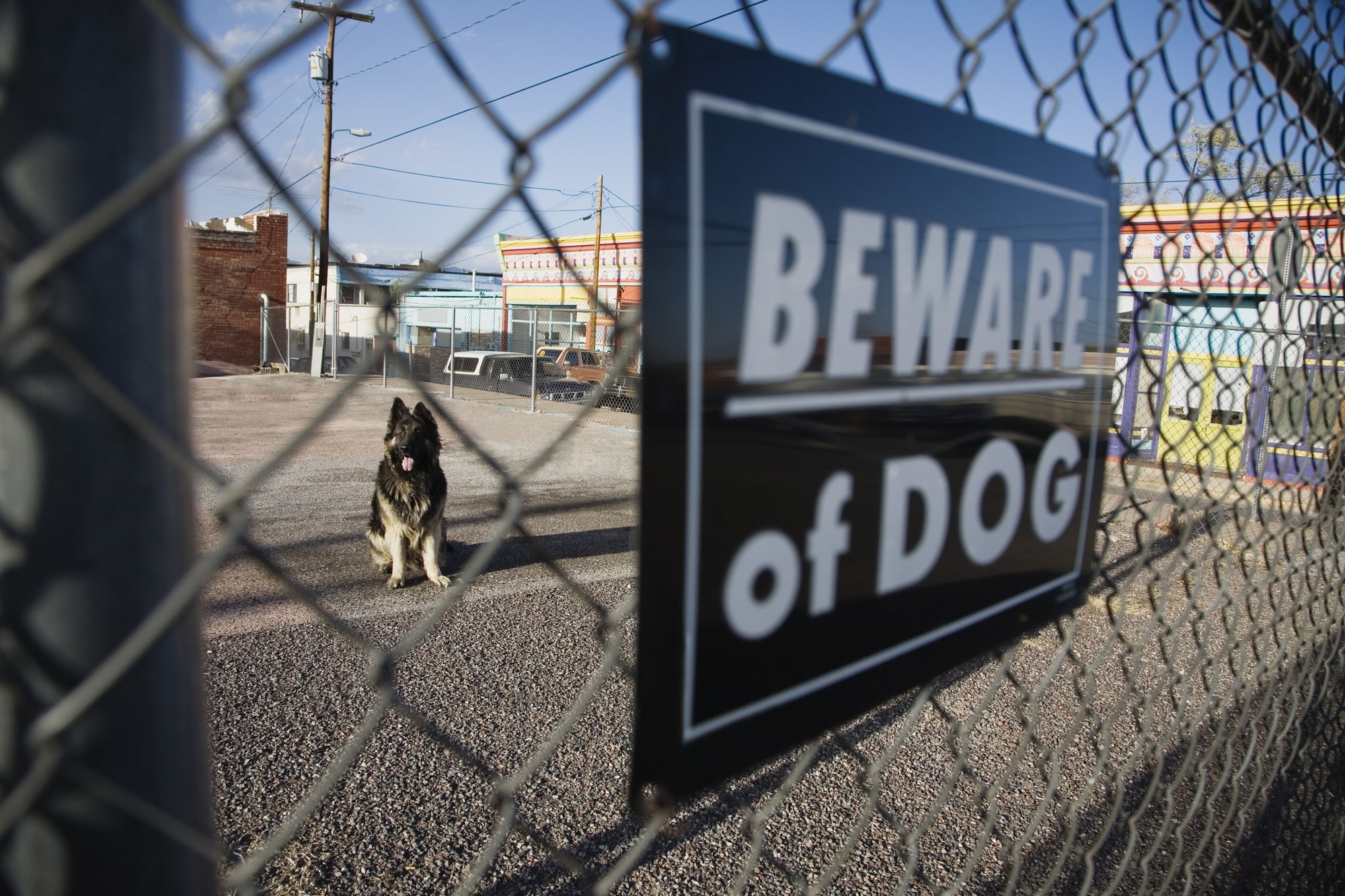
Most people’s first instinct after a dog attack is to pursue the dog’s owner. In Georgia, however, a landlord can sometimes share legal responsibility for injuries caused by a tenant’s dog. It depends on what the landlord knew and when they knew it.
Georgia operates under what’s commonly called the “first bite” rule. Dog owners are generally liable when they knew or should have known their animal had dangerous tendencies. That same standard of knowledge can extend to a property owner who has never held a leash in their life.
Under O.C.G.A. § 51-2-7, liability attaches when the dog was considered vicious or dangerous, the owner had prior knowledge of that behavior, and the victim didn’t provoke the attack. The question becomes what happens when the person who had that knowledge wasn’t the dog’s owner at all.
Georgia courts have held that landlords may share liability when they had prior knowledge of a dangerous animal on their property and didn’t act on it. Knowledge is the central issue. If a tenant’s dog had bitten someone before, if neighbors complained, or if the landlord received written notice about the animal’s behavior, that landlord may have had a legal obligation to act. Failing to do so can form the basis of a premises liability claim.
To pursue a landlord liability claim after a dog attack, you’ll generally need to establish:
Documentation plays a significant role in these cases. Prior incident reports, written complaints from other tenants, lease agreements addressing pets, and any communication between the tenant and landlord can all become relevant evidence.
Where the attack happened matters more than people expect. Georgia courts look closely at whether the landlord controlled the location where the bite occurred. If the attack took place in a shared hallway, parking lot, or common yard, the landlord’s responsibility becomes considerably more direct than it would inside a private unit. A Savannah dog bite lawyer can review where and how the attack happened to determine whether a premises liability argument applies alongside a dog bite claim against the tenant.
There may be more than one path to compensation. That could mean a claim against the dog’s owner, a separate claim against the landlord, or both, depending on what the facts support. Chattahoochee Injury Law handles dog bite cases across Georgia and knows how to identify every party that may share responsibility after an attack. Examining the full picture often makes a meaningful difference in what an injured person is ultimately able to recover.
Not every case will meet the threshold for landlord liability. When there were clear warning signs about a dangerous animal and a property owner failed to act on documented complaints or prior incidents, that is a fact pattern worth evaluating carefully. If you were injured by a tenant’s dog and you’re wondering whether the landlord shares responsibility for what happened, a Savannah dog bite lawyer can help you work through the details. Reach out to our team to discuss your situation.