Free Consultation | 24/7 Live Answering
(912) 325-7783
Uber and Lyft accidents create problems that typical car crashes do not. Determining who pays for your injuries is complicated by a corporate insurance structure built to limit liability. The driver has a personal policy. The rideshare company carries a separate commercial policy. Which one covers your claim depends on what the driver was doing at the moment of the collision.
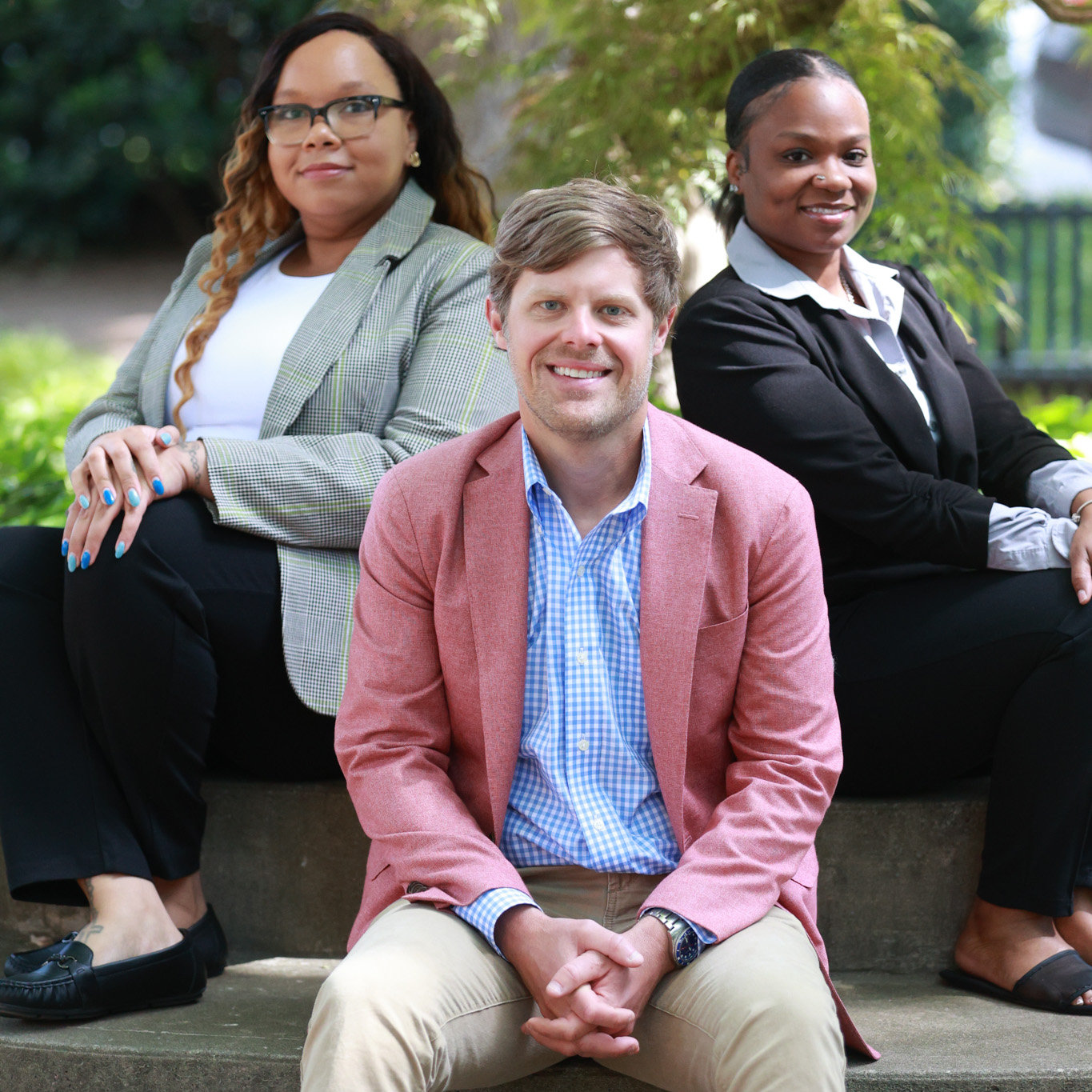
Chattahoochee Injury Law represents people injured in rideshare accidents throughout Port Wentworth and the surrounding Savannah area. Founding Attorney Benjamin Clary has 13 years of experience with personal injury claims in Georgia, including cases against Uber, Lyft, and other transportation network companies. He knows how these coverage disputes unfold and what it takes to overcome the tactics insurers use to reduce or deny claims.
Our Port Wentworth, GA rideshare accident lawyer provides free consultations and operates on contingency. You owe nothing unless we recover compensation on your behalf.
Rideshare cases require an attorney who understands both Georgia personal injury law and the specific ways Uber and Lyft structure their insurance to limit liability. Ben Clary graduated from Walter F. George School of Law at Mercer University and has spent his career handling injury cases in this state. He understands how insurers operate in Georgia, which adjusters undervalue claims, and which ones negotiate in good faith. That knowledge matters when pursuing fair compensation.
Port Wentworth occupies a significant transportation corridor. Highway 21, Interstate 95, and proximity to both the airport and the Port of Savannah bring constant traffic through the area. Rideshare drivers pass through often, taking passengers to flights or dropping off workers at facilities.
Chattahoochee Injury Law has recovered millions of dollars for clients injured in motor vehicle accidents across Georgia. Our cases have involved disputed liability, multiple insurance policies, and corporate defendants who fought to avoid responsibility. Insurance companies pay attention to which firms actually pursue claims aggressively and which ones settle for less than a case is worth.
What distinguishes rideshare accidents from typical car accidents is the layered insurance structure. Coverage depends entirely on the driver’s status when the collision occurred. If the app was turned off, the driver’s personal policy applies and the rideshare company has no involvement. If the driver was waiting for a ride request, limited coverage applies. If a passenger was in the vehicle or the driver was en route to a pickup, the $1 million commercial policy becomes available.
Ben Clary holds a Martindale-Hubbell AV Preeminent Rating for Ethical Standards and Legal Ability and has been recognized by Super Lawyers. We investigate every rideshare case to determine exactly which coverage applies and pursue claims against all available sources.
We operate on a contingency fee basis. No retainer. No hourly billing. We advance the costs of investigating and building your case, and we receive payment only when you receive compensation.
⭐⭐⭐⭐⭐
“I called Ben Clary four months before the two year deadline to file my case and he not only took it but also successfully followed through positively on my behalf. I never had to go into the office, had a direct line to him at all times, as well as to his paralegal, Dominic. I highly recommend Attorney Clary to anyone who is looking for justifiable monetary retribution for their automobile accidents, or any other injury that must be settled through legal representation. It was great to have an attorney who not only personally answered my calls but was personable and concerned about my mental and physical wellbeing.” — Dr. Carolyn TurleyMoore
Read more reviews on our Google Business Profile.
Rideshare collisions occur under varying circumstances, and the specific details affect how we approach each claim. Below are the types of Uber and Lyft cases we handle most frequently in Port Wentworth.
Georgia maintains specific regulations governing rideshare companies and required insurance coverage. Understanding these requirements helps clarify what to expect from your claim.
Under O.C.G.A. § 33-1-24, transportation network companies like Uber and Lyft must maintain insurance coverage that varies based on driver activity.
When a driver is logged into the app but has not yet accepted a ride request, minimum coverage is $50,000 per person for bodily injury, $100,000 per accident, and $25,000 for property damage. Once the driver accepts a ride request, coverage increases to $1 million combined for bodily injury and property damage. That higher coverage remains in effect until the passenger exits the vehicle.
Georgia law requires personal injury lawsuits to be filed within two years of the accident date. This deadline is established under O.C.G.A. § 9-3-33. Missing this deadline eliminates your right to pursue compensation through litigation. Insurance negotiations can extend for months, so initiating your claim early preserves all available options.
Georgia applies a modified comparative negligence standard under O.C.G.A. § 51-12-33. If you bear partial fault for the accident, your compensation is reduced proportionally. However, if you are found 50% or more responsible, you cannot recover any damages.
Insurance adjusters routinely attempt to attribute fault to injured claimants. We counter these efforts with thorough evidence.
Uber and Lyft classify their drivers as independent contractors rather than employees. This classification creates legal barriers to holding the companies directly responsible for driver negligence. Their insurance policies still apply during covered periods, but pursuing direct claims against the company requires establishing liability through alternative legal theories.
Rideshare collisions often cause significant harm because many occur at highway speeds. Georgia law permits injured victims to pursue three categories of damages.
Economic damages cover documented financial losses. Medical expenses constitute the largest portion for most claimants: emergency room treatment, surgery, hospitalization, physical therapy, prescription medications, diagnostic imaging, and follow-up appointments. The CDC reports that motor vehicle crashes remain among the leading causes of injury-related medical costs in the United States.
Lost wages also fall within this category. If your injuries prevented you from working, you can recover that income. If permanent limitations reduce your future earning potential, you may also recover lost earning capacity.
Additional economic damages include property damage, transportation costs for medical appointments, home modifications, and in-home care expenses.
Non-economic damages address losses that cannot be easily quantified. Pain and suffering. Emotional distress. Anxiety and depression. Loss of enjoyment of life. Scarring and disfigurement.
Calculating these damages requires examining how the accident has altered your daily existence. Chronic pain that disrupts sleep. Apprehension about traveling in vehicles. Inability to care for your children or participate in activities you previously enjoyed. These losses are real and warrant compensation even though no receipt documents their value. In severe cases, non-economic damages frequently exceed economic losses.
Georgia permits punitive damages when the defendant acted with willful misconduct, malice, or conscious disregard for the safety of others. O.C.G.A. § 51-12-5.1 establishes the applicable standards. Drunk driving or extreme recklessness may justify these awards.
Punitive damages serve to punish wrongful conduct and discourage similar behavior. While not available in every case, they can substantially increase recovery when circumstances warrant.
The actions you take immediately after an Uber or Lyft accident affect both your health and your ability to recover compensation. If you are physically able, follow these steps.
1. Assess injuries and call 911. Request emergency medical services. A police response also generates an official accident report, which becomes important evidence.
2. Capture your trip information. Before the ride disappears from your app history, screenshot the trip details, driver name, vehicle information, and route. This documentation establishes that you were a passenger during an active trip.
3. Photograph the scene. Document vehicle damage, road conditions, traffic signals, skid marks, and visible injuries. Capture both wide-angle shots and detailed close-ups. More photographs are better than fewer.
4. Collect information from all parties. Obtain names, phone numbers, insurance details, and license plate numbers from everyone involved. Record the rideshare driver’s personal information separately from what appears in the app.
5. Identify witnesses. Anyone who observed the collision could provide important testimony later. Obtain contact information before they leave the scene.
6. Seek medical attention promptly. Even if you feel uninjured at the scene, have a physician examine you. Some injuries do not present symptoms immediately. Brain injuries and internal bleeding can take hours or days to manifest. Medical records connecting your injuries to the accident strengthen your claim.
7. Report through the app. Both Uber and Lyft provide accident reporting features. File a report, but keep your description brief and factual. Do not speculate about fault or make admissions.
8. Notify your own insurance company. Report the accident, but do not provide recorded statements or accept settlement offers until you have consulted with an attorney.
9. Preserve all evidence. Retain the clothing you wore. Compile medical records and bills. Document your symptoms and how they affect your daily activities. All of this information matters.
10. Contact a rideshare accident attorney. Insurance companies begin building their defense immediately. You need representation protecting your interests from the outset. An attorney manages communications with insurers and safeguards your right to full compensation.
Rideshare usage has increased dramatically over the past decade, and accident rates have risen with it.
Research from the National Bureau of Economic Research found that the introduction of rideshare services correlates with a 2-3% increase in traffic fatalities in urban areas. Additional vehicles on the road, combined with drivers distracted by app notifications, create a problematic combination.
The National Highway Traffic Safety Administration (NHTSA) identifies distracted driving as a major contributor to crashes nationwide. Rideshare drivers face distractions that other motorists do not encounter. They monitor ride requests, navigate to pickup locations, and communicate with passengers through the app. Their attention is divided among multiple demands simultaneously.
Rideshare usage in the Savannah area has grown substantially, and Port Wentworth experiences heavy traffic due to its location. Drivers transport passengers to and from the airport, to industrial facilities near the port, and throughout the region. That volume increases exposure to accidents.
The Insurance Institute for Highway Safety (IIHS) reports that drivers using phones face significantly elevated crash risk. While Uber and Lyft officially prohibit phone use during passenger transport, enforcement remains limited, and drivers frequently check devices between rides or while awaiting requests.
When rideshare accidents occur on Highway 21 or Interstate 95, injuries tend to be severe due to the speeds involved. According to NHTSA crash data, Georgia consistently ranks among states with higher traffic fatality rates.
Responsibility depends on who caused the collision and the rideshare driver’s status at that moment. The at-fault driver’s insurance typically pays first. If the rideshare driver caused the accident and was on an active trip, Uber or Lyft’s $1 million policy applies. If the app was off, only the driver’s personal insurance is relevant. We investigate to determine which policies cover your injuries.
If you were a passenger during an active trip, their $1 million liability policy should cover your injuries. Coverage varies based on driver status. Waiting for a request triggers lower limits. If the app was turned off, no rideshare coverage applies. We analyze the specific circumstances to determine applicable coverage.
You can pursue a claim against the rideshare company’s commercial insurance policy. That policy exists specifically for this purpose. We handle all negotiations with their insurers and pursue full compensation on your behalf.
Direct claims face obstacles. These companies classify drivers as independent contractors specifically to limit corporate liability. However, their insurance policies cover accidents during active periods regardless of that classification. In certain circumstances, other legal theories may support direct claims against the company.
There is no standard formula. Compensation depends on injury severity, medical expenses, lost income, pain and suffering, and how the injuries affect your life going forward. Permanent disabilities and significant lifestyle changes increase case value. We evaluate all factors to determine what constitutes fair compensation.
Timelines vary. Cases with clear liability may settle within a few months. Serious injuries, disputed fault, or uncooperative insurers can extend the process to a year or longer. We prepare every case for trial while working toward efficient resolution.
Passengers typically have the most direct path to compensation because they did not cause the collision. You can pursue claims against the at-fault driver’s insurance, the rideshare company’s policy, or both. We identify all coverage sources and pursue maximum recovery.
In most cases, no. Initial offers are almost always inadequate. Insurance companies extend early offers hoping claimants will accept before understanding the true value of their case. Consult with an attorney before signing any settlement agreement.
Uber and Lyft policies include uninsured/underinsured motorist coverage during active trips. Your own auto policy may provide additional coverage as well. We examine every potential source when the at-fault driver lacks adequate insurance.
Rideshare accidents involve multiple insurance companies, coverage disputes, and corporate legal teams focused on minimizing payouts. An attorney levels the playing field. Most rideshare accident victims recover significantly more compensation with legal representation than without it.
Trip data from the app is critical because it establishes driver status at the time of the collision. Beyond that, police reports, witness statements, medical records, and scene photographs all carry weight. Rideshare companies maintain electronic records of every trip, and we can obtain that data through legal discovery when necessary.
Georgia law permits recovery even if you share some fault, provided you are less than 50% responsible. Your compensation is reduced by your percentage of fault. We present evidence to minimize any fault attributed to you.
It occurs frequently. Soft tissue damage, concussions, and internal injuries often present delayed symptoms. This is why prompt medical attention matters even if you feel fine initially. Continue following up with your physician and inform your attorney of any changes in your condition.
Possibly. If your health insurer paid for accident-related treatment, they may hold subrogation rights to recover that amount from your settlement. We negotiate with all lienholders to maximize what you retain from your recovery.
Health insurance can cover treatment initially. Medical payment coverage on auto policies provides additional assistance. Some healthcare providers accept letters of protection, agreeing to await payment until the case resolves. We help clients access necessary treatment while their case proceeds.
Port Wentworth’s position as a transportation hub creates specific high-risk areas for rideshare collisions.
Highway 21 carries substantial traffic between Port Wentworth and the airport. Rideshare drivers travel this corridor constantly. The combination of commercial vehicles, commuters, and airport traffic creates congestion and elevated collision risk.
Interstate 95 passes through Port Wentworth, and rideshare drivers access it for longer regional trips. Crashes at highway speeds on I-95 frequently produce severe injuries.
The Highway 21 and I-95 interchange concentrates traffic as vehicles enter and exit the interstate. Merging conflicts and sudden speed changes contribute to accidents in this location.
The Grange Road and Highway 21 intersection handles significant volume, including rideshare vehicles traveling toward residential areas and the airport. The intersection configuration creates opportunities for turning-related collisions.
Areas near the Port of Savannah see heavy truck traffic alongside rideshare vehicles transporting workers. The combination of commercial vehicles and passenger cars increases accident potential.
After a rideshare accident in Port Wentworth, these local resources can assist with medical care, accident reporting, and recovery.
Port Wentworth Police Department – (912) 964-4360 – https://www.portwentworth.com/ – For accident reports and police assistance.
Chatham County Police Department – (912) 652-6500 – https://police.chathamcountyga.gov/ – For accidents occurring in unincorporated areas.
Memorial Health University Medical Center – (912) 350-8000 – https://www.memorialhealth.com/ – Level I trauma center serving the greater Savannah region.
St. Joseph’s Hospital – (912) 819-4100 – https://www.sjchs.org/ – Emergency and specialized medical services.
Georgia Department of Driver Services – (678) 413-8400 – https://dds.georgia.gov/ – Accident records and driver information requests.
Georgia Governor’s Office of Highway Safety – https://www.gahighwaysafety.org/ – Traffic safety resources and crash data.
Chattahoochee Injury Law does not endorse any of these organizations. This list is provided for informational purposes only.
If you have been injured in an Uber or Lyft accident in Port Wentworth, Georgia, you need an attorney who understands how rideshare claims work. Chattahoochee Injury Law represents rideshare accident victims throughout Chatham County and the surrounding region.
We provide free consultations and work on contingency, meaning you owe nothing unless we recover compensation for you.
Insurance companies representing Uber, Lyft, and other involved parties are already working to limit your recovery. Contact our office today to schedule a free case evaluation.