Free Consultation | 24/7 Live Answering
(912) 325-7783
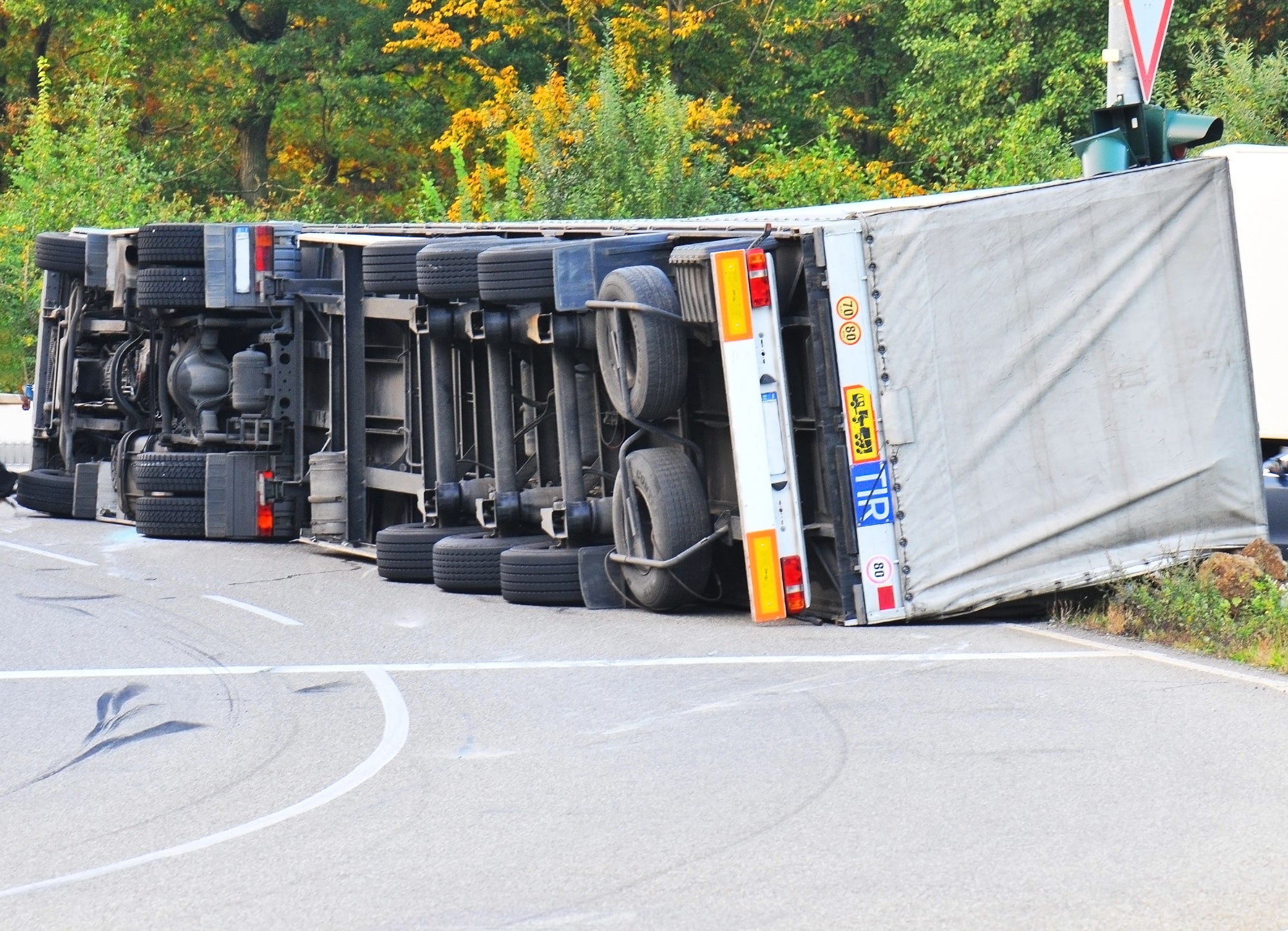
Truck accident claims are rarely simple. Unlike a standard car collision, these cases often involve multiple parties, layers of insurance coverage, and both state and federal regulations that affect who can be held responsible. A Savannah, GA truck accident lawyer will typically begin by identifying every party whose actions or decisions may have contributed to the crash.
Driver error accounts for a significant portion of commercial truck crashes. Fatigued driving, distracted driving, driving under the influence, speeding, and failure to check blind spots are all common factors. Federal hours-of-service regulations exist specifically to limit how long truckers can drive without rest, and when a driver violates those rules, that violation becomes direct evidence of negligence.
Impairment is worth examining, too. A commercial driver operating under the influence of drugs or alcohol faces serious legal consequences, and so does the company that employs them.
This is where liability often extends well beyond the driver. When the driver is a company employee, the carrier can be held vicariously liable for the driver’s conduct under the legal doctrine of respondeat superior. But companies can also be independently negligent. Common examples include:
Trucking companies must comply with regulations set by the Federal Motor Carrier Safety Administration. A history of noncompliance is something attorneys look for early. You can review applicable federal safety standards through the FMCSA regulations page.
Not every truck is loaded by the carrier itself. Shippers, logistics companies, and loading dock crews sometimes handle that work independently. When improperly secured or overloaded cargo contributes to a crash, the entity responsible for loading may be held legally liable. Weight distribution problems and shifting freight are preventable. When proper loading protocols aren’t followed, liability follows the failure.
Mechanical defects cause truck accidents more often than people realize. Brake failures, tire blowouts, defective coupling systems, and steering malfunctions have all been documented causes of serious collisions. If a faulty component contributed to the crash, the manufacturer may be liable under Georgia product liability law, regardless of whether the driver or company did anything wrong.
Some carriers outsource vehicle maintenance and inspection to third parties. When a contractor performs faulty repairs or fails to identify a safety issue during inspection, they can share responsibility for what happens on the road. Maintenance logs are often a key piece of evidence in these cases and one of the first things attorneys request.
Pursuing only the driver in a truck accident claim often means leaving significant compensation unclaimed. Corporate defendants carry much higher insurance limits than individual drivers, and in cases involving serious injuries, long-term medical care, and lost income, those limits matter.
Georgia follows a modified comparative fault rule, meaning each party can be assigned a percentage of fault and held responsible for their share of the damages. A thorough investigation from the start is what makes that possible.
Speaking with a Savannah, GA truck accident lawyer soon after a crash also matters for practical reasons. Electronic logging data, GPS records, black box information, and driver qualification files don’t last indefinitely. Trucking companies are not required to preserve this data without a legal hold in place, and some of it can be overwritten within weeks.
Ben Clary has spent nearly a decade practicing personal injury law in Georgia, having been born and raised in Savannah. He approaches every case the way a distance runner approaches a race: with careful preparation and a focus on long-term results rather than shortcuts. At Chattahoochee Injury Law, we represent injured victims in Savannah and throughout Georgia. If you were hurt in a truck accident and want to understand who may be responsible, contact our office to speak with an attorney who handles these cases regularly.