Free Consultation | 24/7 Live Answering
(912) 325-7783
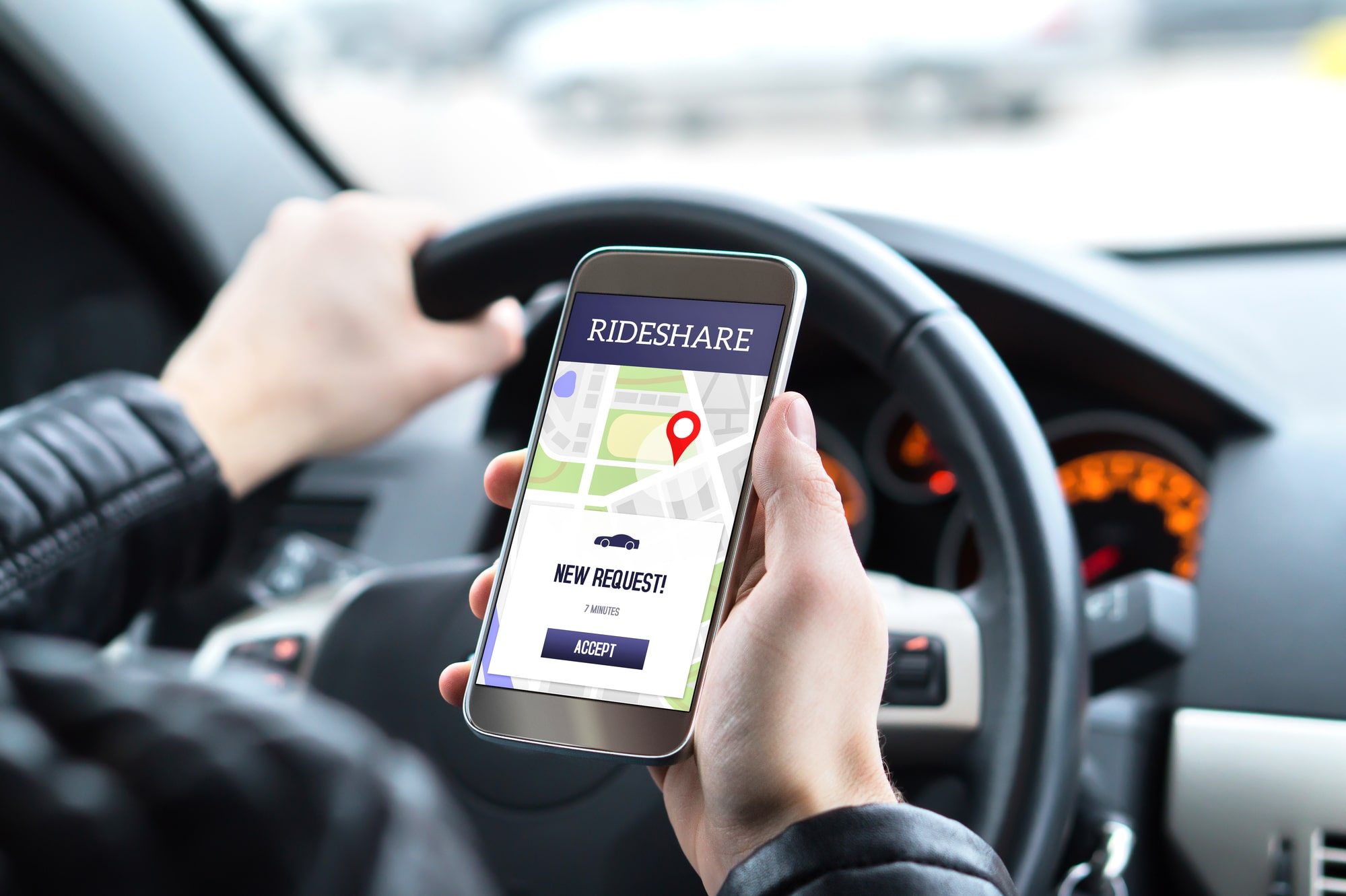
Getting hurt in a rideshare accident leaves most people with an immediate question: who’s actually responsible? The answer depends on several factors that aren’t always obvious, and the insurance picture is more layered than a standard car accident. A Savannah, GA rideshare accident lawyer can help sort through who bears liability and how to pursue the compensation you’re owed.
This is the part that confuses most people, and understandably so. Uber and Lyft don’t operate like a traditional employer. Their drivers are classified as independent contractors, which affects how liability works at every stage. And the coverage available to an injured person changes depending on what the driver was doing at the exact moment of the crash.
If the driver wasn’t logged into the app, the rideshare company has no involvement whatsoever. You’re dealing with a standard car accident claim against the driver’s personal auto policy. Straightforward in theory, though proving negligence still requires work.
The driver is active on the app but hasn’t accepted a trip yet. Both Uber and Lyft carry limited liability coverage during this window, generally $50,000 per person for bodily injury and $100,000 per accident, plus $25,000 in property damage. The catch is that the driver’s personal insurance is supposed to apply first. If that insurer denies the claim because the driver was doing commercial work, the rideshare policy kicks in as a backstop.
From the moment a driver accepts a ride request until the passenger is dropped off, both companies maintain up to $1 million in liability coverage. That applies to passengers, pedestrians, and occupants of other vehicles. It’s a significant amount, and it matters in cases with serious injuries.
Uber and Lyft lean hard on the independent contractor classification. It’s how they argue they can’t be held directly liable for a driver’s negligence, the way a traditional employer could be. That argument doesn’t always hold up, and courts around the country have tested it with varying results. But count on the company’s legal team to use it. They’re well-practiced at doing exactly that.
The driver and the rideshare company aren’t automatically the only ones in the picture. Depending on what caused the accident, the following parties may also carry liability:
This matters because each additional liable party potentially means additional insurance coverage. Identifying all of them from the start is part of building a complete claim.
Don’t wait on any of this. A few things are worth doing immediately, or as soon as you’re able.
Screenshot the app before you close it. That record shows the trip details, the timestamp, and the driver’s information, all of which establish which coverage period was active. Get medical attention the same day if at all possible, even if your injuries seem minor. Concussions and soft tissue damage don’t always show up right away, and gaps in medical care get used against injured people later.
Don’t give a recorded statement to any insurance adjuster before talking to an attorney. That includes the rideshare company’s insurer.
Georgia has statutory requirements specifically governing how Transportation Network Companies must maintain insurance coverage. Those rules affect how claims get processed and which policy applies at each stage. You can review the relevant provisions through the Georgia General Assembly’s official code.
These cases involve multiple insurers, a company with substantial legal resources, and coverage rules that shift based on a single detail: what was happening in the app at the moment of impact. Getting that analysis right from the beginning is the difference between a well-built claim and one that stalls.
Ben Clary was born and raised in Savannah and has spent nearly a decade representing people who’ve been seriously injured through someone else’s negligence. He treats every case the way a distance runner treats a race: preparation first, short-term shortcuts never. At Chattahoochee Injury Law, we represent injured clients across Georgia. If you were hurt in a rideshare accident, reach out to speak with a Savannah, GA rideshare accident lawyer who knows how these cases are built and what it takes to see them through.