Free Consultation | 24/7 Live Answering
(912) 325-7783
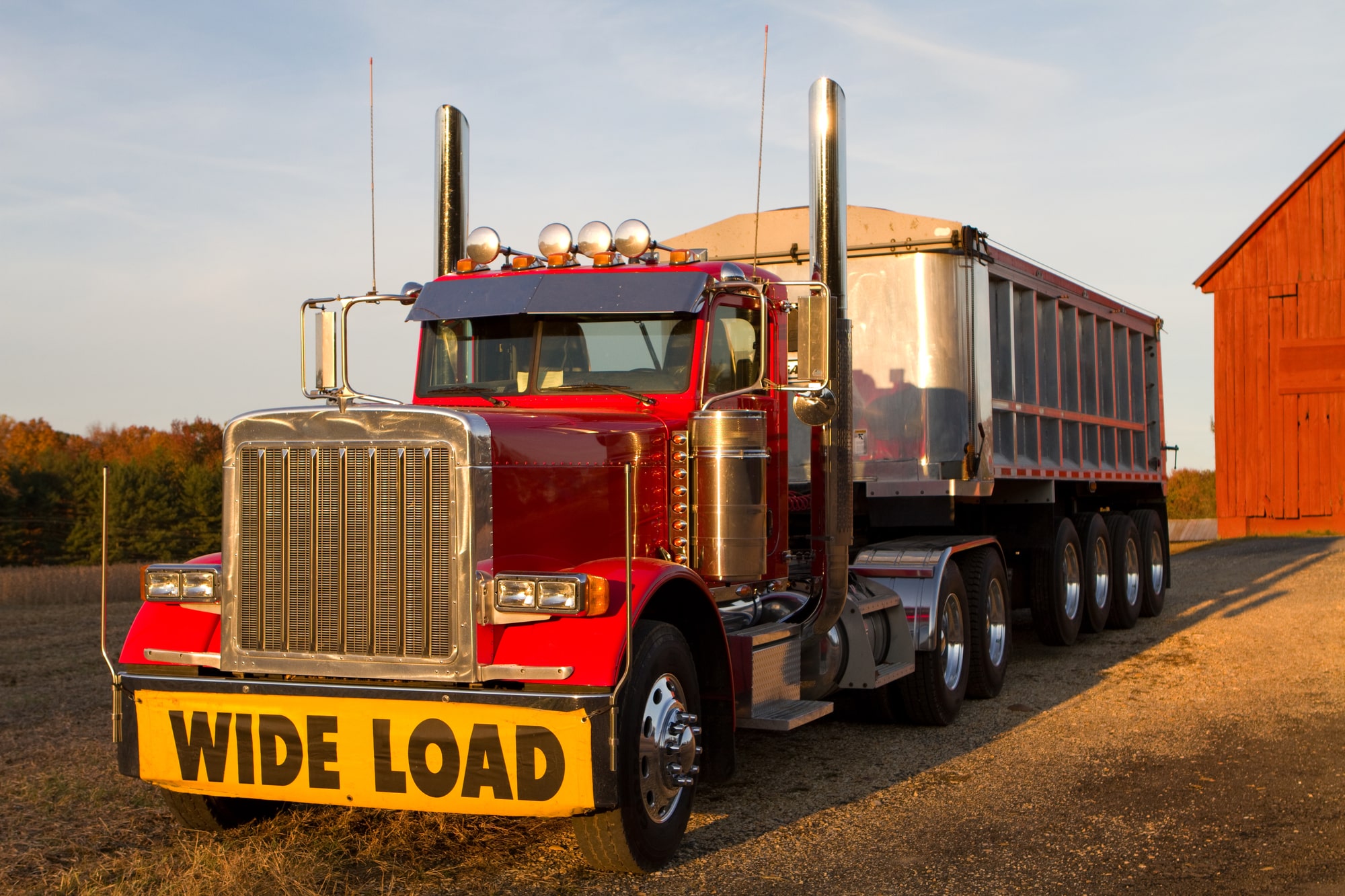
When a commercial truck hits your car, the insurance situation looks nothing like a typical two-car accident. The coverage amounts are larger. The policies are structured differently. There are often multiple insurers involved. And the companies behind those policies have significant experience handling exactly these kinds of claims, usually with professional adjusters and defense attorneys ready to go from day one.
Knowing how commercial trucking insurance actually works helps Georgia injury victims understand what they’re dealing with before they say anything or sign anything.
Personal auto insurance in Georgia carries a minimum liability requirement of $25,000 per person and $50,000 per accident under O.C.G.A. § 33-7-11. Those limits are modest, and in serious accidents they’re often exhausted before all damages are covered.
Commercial trucking operates under a completely different framework. The Federal Motor Carrier Safety Administration requires interstate carriers hauling general freight to carry a minimum of $750,000 in liability coverage. Carriers transporting hazardous materials must carry between $1 million and $5 million depending on the type of cargo.
Those higher minimums exist because the injuries commercial trucks cause tend to be catastrophic. A vehicle weighing 80,000 pounds creates damage at a scale that $25,000 simply can’t address.
Beyond the higher limits, commercial trucking policies are structured differently from personal auto coverage in ways that affect how claims get handled.
Large carriers often self-insure up to a certain threshold, meaning they pay claims out of their own funds up to a set amount before excess coverage kicks in. This arrangement gives them a direct financial interest in minimizing what they pay on any given claim, which influences how aggressively their claims teams respond to accidents.
Some carriers also use layered policies, where primary coverage from one insurer pays up to its limit before a secondary policy from a different insurer becomes available. Identifying all applicable policies and the correct order in which they respond requires investigation that goes well beyond what a typical car accident claim involves.
In a standard car accident, there’s one at-fault driver and one liability policy. Truck accident claims frequently involve more than one potentially responsible party, and each may carry separate coverage:
Determining which policies apply, in what order, and how to pursue claims against multiple insurers simultaneously is one of the most technically demanding aspects of a truck accident case.
Commercial trucking insurers don’t wait. After a serious accident, their teams move quickly to investigate, document the scene, and build a picture of events that serves their interests. Accident reconstructionists, medical reviewers, and defense attorneys are often deployed within hours of a crash.
That speed creates real disadvantages for victims who don’t have legal representation in place. Evidence gets interpreted in ways that minimize the carrier’s exposure. Recorded statements get taken before victims fully understand their injuries. Early settlement offers arrive before the full scope of damages is clear.
A Port Wentworth truck accident lawyer responds with the same urgency, moving to preserve evidence, identify all applicable insurance coverage, and position a claim for the strongest possible outcome before the other side gets too far ahead.
The practical effect of higher commercial coverage limits is that serious injuries have a real chance of being fully compensated. A catastrophic injury that would exhaust a personal auto policy in a single ambulance ride may be fully covered by a commercial trucking policy. Future medical costs, lost earning capacity, and long-term pain and suffering can all be pursued against a policy that has the capacity to pay them.
Chattahoochee Injury Law handles truck accident cases throughout the Port Wentworth and Savannah area. If you were injured in a crash involving a commercial truck, reach out to a Port Wentworth truck accident lawyer to discuss your case and understand the full range of coverage that may be available to you.