Free Consultation | 24/7 Live Answering
(912) 325-7783
Trial-tested 18-wheeler accident lawyers committed to thorough preparation in every matter.
If you were injured in a collision with an 18-wheeler, an attorney can help you pursue compensation for your medical care, lost income, and other losses. Our Savannah, GA 18-wheeler accident lawyer can identify every party responsible for the crash, preserve the evidence, and manage the claim while you recover. Benjamin Clary has represented injured people throughout Georgia for 13 years. Chattahoochee Injury Law handles these cases on contingency. Contact us for a free consultation to review the crash and discuss your options.
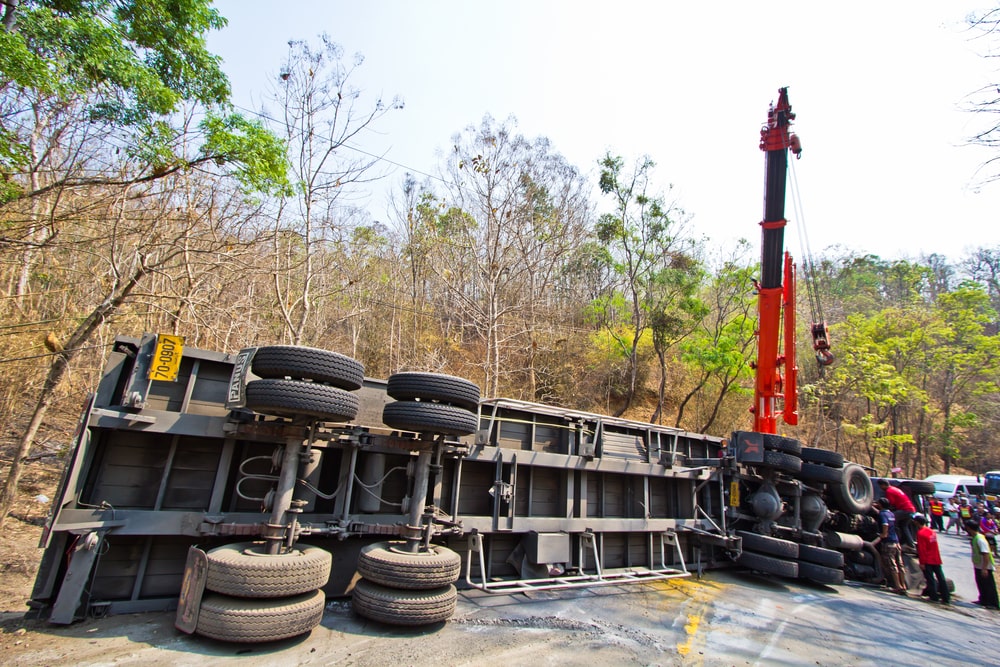
An 18-wheeler accident claim is a personal injury case arising from a crash involving a tractor-trailer or other large commercial truck. These vehicles can weigh up to 80,000 pounds when loaded, so a collision with a passenger car often causes severe injuries. Liability frequently extends beyond the driver to the trucking company, the company that loaded the cargo, and the business responsible for maintaining the rig. Identifying each of these parties early matters, because each may carry separate insurance coverage. Federal regulations govern how these vehicles operate, and a violation of those rules can establish that a party failed to use reasonable care.
These claims also involve evidence that ordinary car accidents do not. Commercial trucks carry electronic logging devices, hours-of-service records, maintenance files, and onboard data that can show what happened in the moments before a crash. Much of that evidence is in the carrier’s control and can be lost if it is not preserved promptly, sometimes within days of the collision. A Savannah 18-wheeler accident attorney moves quickly to secure these records, identify every responsible party, and build a claim that reflects the full extent of the harm, including the long-term medical and financial consequences.
Large truck crashes happen in distinct ways, and the cause of the collision shapes who can be held accountable and what evidence matters. We represent clients injured by tractor-trailers in a range of circumstances on the highways and roads in and around Savannah, GA. The following are the cases we handle most often.
Benjamin Clary has handled personal injury and trucking cases in Georgia for 13 years. He completed his undergraduate studies at the College of Charleston and earned his law degree from the Walter F. George School of Law at Mercer University. He has received recognition from Super Lawyers and holds an AV Preeminent rating from Martindale-Hubbell for ethical standards and legal ability. Truck cases require an early investigation and a working knowledge of federal motor carrier rules. We understand how the Savannah courts handle these claims and how regional carriers and their insurers respond to them.
Our firm has recovered millions of dollars for injured clients, including commercial motor vehicle claims that produced significant harm. Crashes involving large trucks tend to turn on the same categories of proof: driver conduct, carrier practices, equipment condition, and the records that document them. Our truck accident lawyer in Savannah, GA applies that approach to every 18-wheeler claim and pursues each responsible party rather than settling for the easiest target. We handle these cases on contingency, which means there are no attorney fees unless we recover compensation for you. That arrangement lets you pursue a serious claim without paying out of pocket during your recovery, and it keeps the focus on the result rather than the cost of getting there.
Georgia law divides recoverable compensation into several categories, and understanding them clarifies the scope of a full claim. Most truck accident claims seek several kinds of damages at the same time. Liability in these cases is often shared among more than one party, which can affect both the available insurance and the value of the claim.
Several factors set truck accident claims apart from ordinary car accident cases. These differences affect how quickly the claim must move and how it is built.
No two claims proceed at the same pace, but most follow a recognizable sequence. The general progression is as follows.
The more information we can review at the first meeting, the sooner we can assess your claim. Please gather what you can, though missing items will not prevent us from getting started.
The consultation is free, and you will leave with a clear answer about whether you have a claim and what the next step involves. There is no obligation to retain our firm.
The following resources help you confirm the rules that govern a Georgia injury claim and the federal standards that apply to commercial trucks. They are provided for reference rather than as legal advice.
A crash with an 18-wheeler calls for experienced legal representation and a prompt investigation. Our firm represents injured clients throughout Savannah, and we are prepared to review your case at no cost. You pay no attorney fees unless we recover compensation for you. We will explain what your claim may be worth and handle the legal process while you focus on your recovery. Acting early helps us preserve the evidence these cases depend on. Contact us to schedule your free consultation.
 Chatham County’s crash record shows how a small number of tractor-trailer collisions produce an outsized share of the worst outcomes. Unincorporated Chatham County logged 12,463 crashes of every kind between 2018 and 2022, and the great majority ended without a death or serious injury. Among the crashes that did cause lasting harm, large trucks appear far more often than their presence in traffic would predict. A loaded rig is a modest slice of daily traffic and a much larger slice of the permanent harm, which is why the figures below matter more as a ratio than as a raw count.
The fatal large-truck crashes fell along corridors that move freight between the interstates and the river terminals, which is where commuters and commercial traffic mix most heavily. Statewide and national figures point in the same direction, and it is consistently the people in the smaller vehicle who absorb the damage.
Evidence in a tractor-trailer case comes from sources a passenger car collision never generates. Most of it sits inside the carrier’s files, with a retention clock running against it.
Our firm charges nothing up front. These cases run on a contingency fee, so the fee comes out of the recovery, and nothing is owed if we recover nothing. The consultation is free. We carry the investigation costs, and fee terms come in writing.
The general rule allows two years from the date of injury to file suit. That deadline sounds generous and rarely is. Electronic logs, onboard data, and video can disappear long before the second year, and a carrier with no notice has little reason to preserve them.
Georgia applies a modified comparative negligence rule. Your recovery is reduced by your share of the fault, and at 50 percent you recover nothing. Trucking insurers work early to assign blame to the injured driver, and we answer that with an independent investigation.
Responsibility often extends beyond the person behind the wheel. The motor carrier may answer for hiring, training, supervision, and dispatch pressure. A maintenance contractor may answer for the brakes or tires. A shipper may answer for overweight or unsecured cargo. Each may carry separate coverage.
You are not required to give a recorded statement to the other side’s insurer, and you should speak with a lawyer first. Adjusters for commercial carriers often call within a day or two, and what you say before you know the extent of your injuries can be used to narrow the claim.
Interstate carriers carry substantial liability limits, but catastrophic injuries can exceed them. Uninsured motorist coverage under your own policy can matter a great deal there. Identifying every responsible company matters too, because each defendant may bring another policy to the case.
That depends on the injuries more than on the law. We do not present a demand until your treatment stabilizes, because a claim resolved too early cannot be reopened. A disputed liability case, or one requiring suit in Chatham County, takes longer.
The most frequent are spinal injuries, surgical fractures, internal organ damage, amputations, and burns. Head trauma is also common, and the effects of brain injuries can take weeks to appear. Symptoms that seem minor at the hospital often become the most expensive part of a claim.
Surviving family members may pursue the full value of the life that was lost, along with the medical and funeral expenses and the pain the person endured before death. Those are separate claims with separate rules about who may bring them, and we explain that structure.
See a doctor, even if you walked away. Photograph the tractor, the trailer numbers, and the roadway if you are able. Report the crash to your own insurer and keep every bill. The steps in a claim are easier when documentation starts on day one.
Savannah sits where two interstates meet one of the country’s busiest container ports, putting loaded rigs alongside commuters all day.
Surface streets and arterials:
Highways and interchanges:
The offices below handle the reports, records, and care a Savannah truck accident claim depends on. Confirm procedures first.
Chattahoochee Injury Law lists these organizations for convenience only. We do not endorse them, we have no affiliation with them, and we receive nothing for listing them.
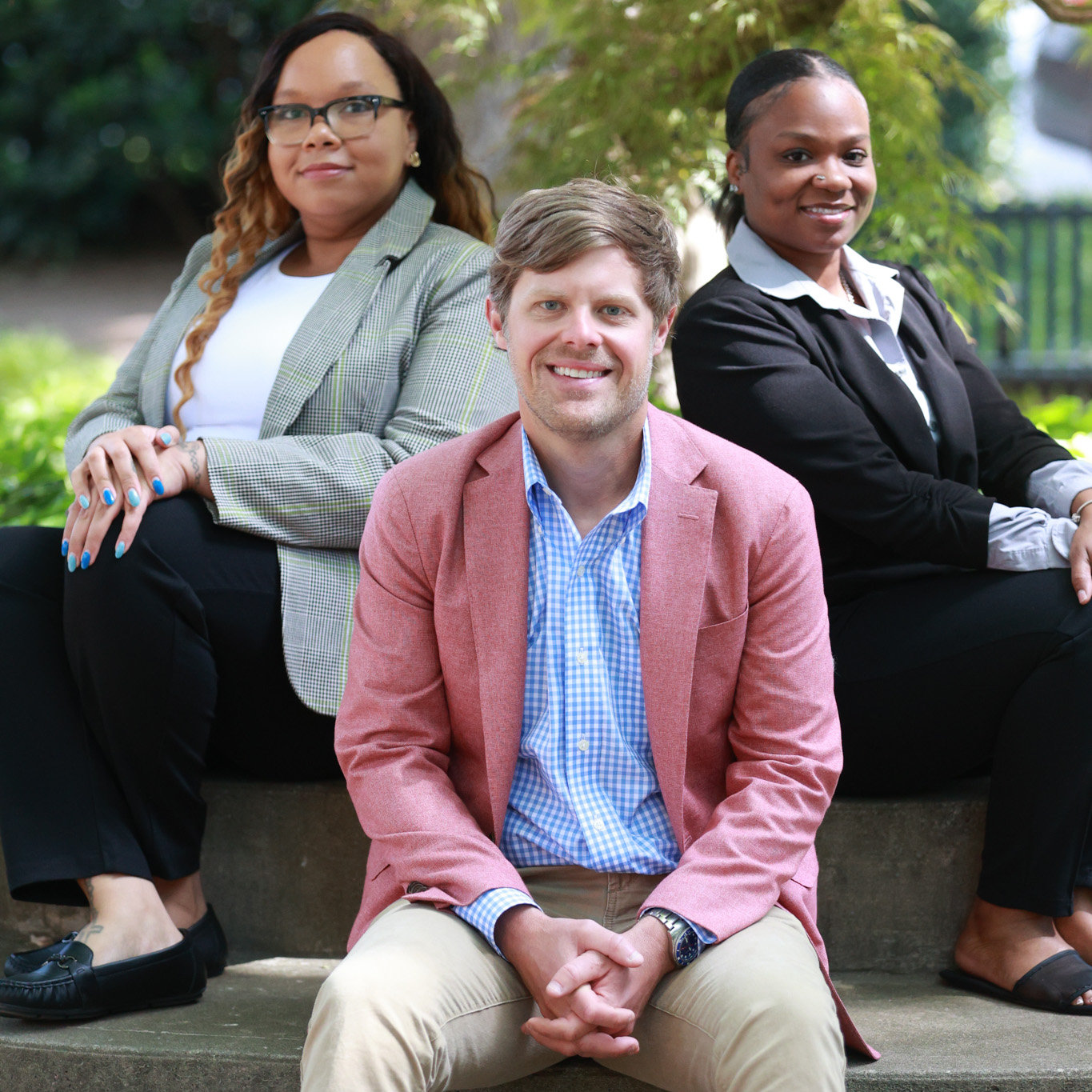
Chattahoochee Injury Law is led by founding attorney Benjamin Clary, admitted in Georgia and 13 years into a practice built on commercial vehicle and other serious injury matters. The record of our firm includes a $5,600,000 recovery in a commercial motor vehicle case. Clients working with our Savannah personal injury lawyer reach their attorney directly rather than through a rotating file handler, and the full range of our practice areas is open to families facing more than one claim.
⭐⭐⭐⭐⭐
“Ben Clary and his Paralegal Dominic were nothing but AMAZING! Since this was my first injury motor vehicle accident I had no idea what to expect. They were very informative from beginning to end. I had direct communication with my attorney AT ALL TIMES. He was literally a text/call a way. I loved that. I am very pleased with my experience with Chattahoochee Injury Law. Highly Recommend!”
Fabiola Winspeare, Google review
Read more reviews on our Google Business Profile.
A collision with a tractor-trailer is not an ordinary car accident claim, and it should not be handled like one. Our 18-wheeler accident attorneys in Savannah, GA will review the crash, identify each company that may answer for it, and move to preserve the carrier’s records. The consultation is free, and no attorney fee is owed unless we recover compensation for you. You will leave with a candid assessment of the claim and a clear next step. Contact us to schedule your free consultation.