Free Consultation | 24/7 Live Answering
(912) 325-7783
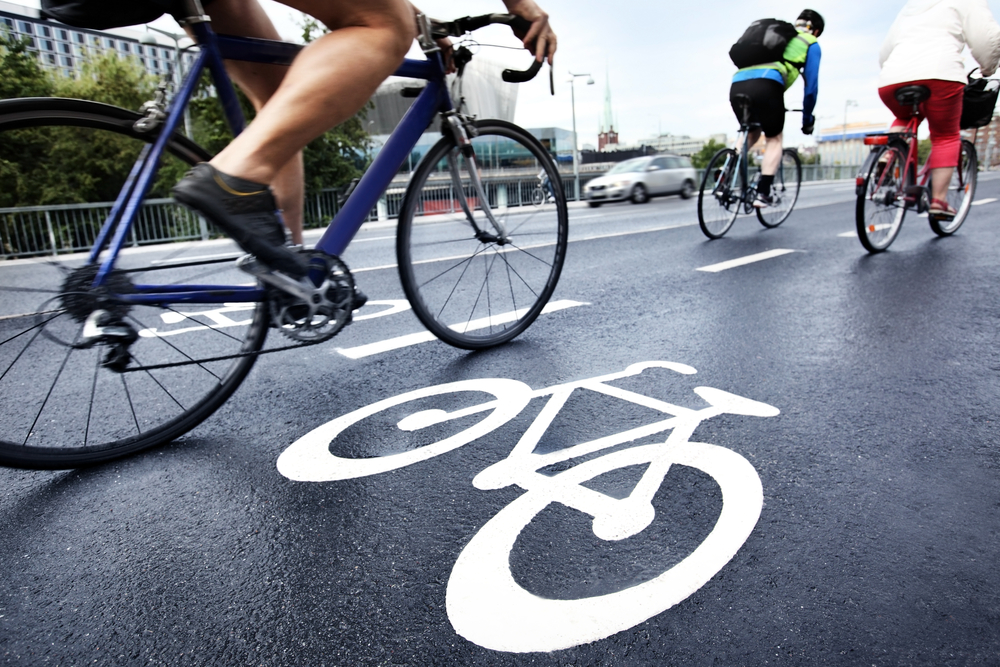
Cyclists and drivers often disagree about who owns the lane, and Georgia law speaks to both sides of that question. The rules cover how drivers pass and where riders may position themselves. The answers below break down both.
Under Georgia’s passing statute, a driver approaching a bicycle must do so with due caution and, if conditions allow, move into a lane not adjacent to the bicycle. If a lane change is impossible, prohibited, or unsafe, the driver must slow to a reasonable and proper speed and leave at least three feet between the vehicle and the bicycle at all times.
A violation is a misdemeanor with a fine of up to $250. In a civil claim the more important point is what the driver did, and a close pass is hard to explain away when a dashboard camera or a witness saw it.
The roadway statute for bicycles says a rider should stay as near to the right side as practicable, with exceptions. A rider may move left to turn left, to avoid hazards, when the lane is too narrow to share safely, when traveling at the speed of traffic, when passing a standing vehicle or one going the same direction, or when in a right-turn-only lane and not turning right.
Cyclists may ride two abreast, but no more than that, except on paths, in bike lanes, or under a special event permit. A rider in a bike lane must travel in the same direction as traffic, and riding against traffic can complicate an otherwise strong claim that a Savannah bicycle accident lawyer is building.
The statute defines hazards to safe cycling to include several everyday conditions:
A rider who swerves around a hazard is following the law, not breaking it. That matters when an insurer argues the rider was out of position, because the statute itself treats those conditions as a reason to leave the right edge.
Electric bicycles raise separate questions about classification and speed. Before the roadway rules are applied to the crash, a Savannah e-bike accident lawyer addresses those questions.
Dogs add another risk because a chasing animal can bring a rider down in seconds. A Savannah dog bite lawyer handles the owner side of that kind of crash, including questions about who controlled the animal.
Evidence tends to disappear fast: the bike itself, the helmet, any camera footage, and photographs of the lane and shoulder where it happened. Riders should keep damaged gear unrepaired and save ride-tracking data from a phone or cycling computer.
The driver’s side of the story, including insurance details and any phone use at the time, is something a Savannah car accident lawyer can gather. That material often decides whether a close pass can be proven.
Both groups are vulnerable road users, and the same driver habits hurt each of them. Some crashes begin with a driver who never saw the person at all. A Savannah pedestrian accident lawyer addresses the walking side of those cases.
Medical care comes first, since injuries from a close pass range from road rash to fractures and head trauma. A Savannah personal injury lawyer can later pull the treatment costs, lost income, and long-term effects into one claim.
Before anything is cleaned or repaired, document the scene and the equipment. Anyone hurt while riding near Savannah can reach out to Chattahoochee Injury Law to understand how these statutes apply to their own crash.