Free Consultation | 24/7 Live Answering
(912) 325-7783
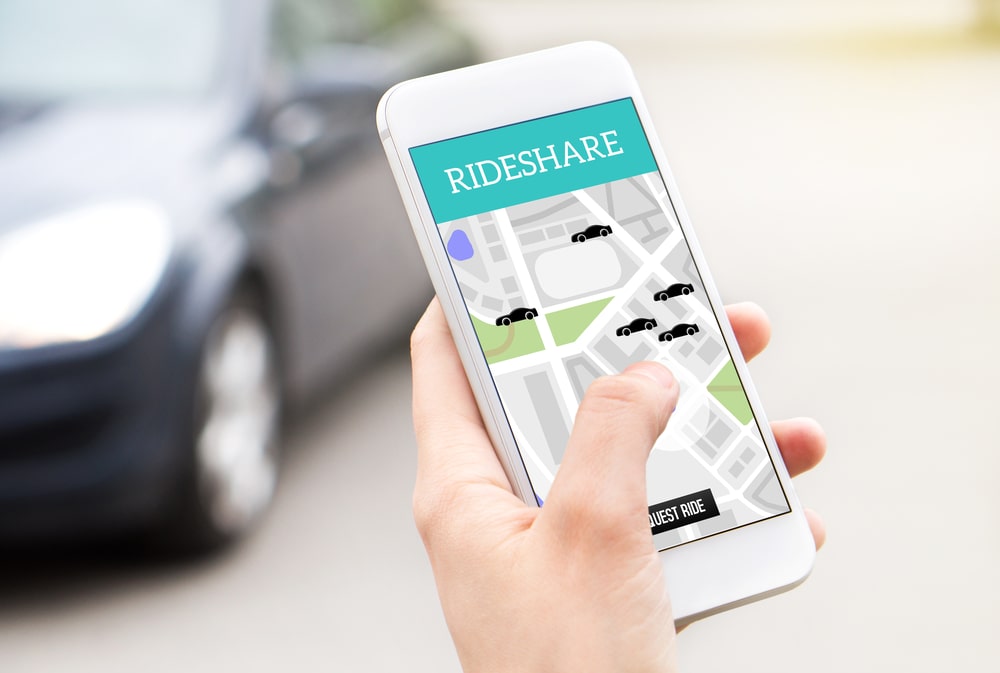
Rideshare accidents are not like typical car accidents. The biggest factor determining who pays your medical bills, lost wages, and other damages is not where the crash happened or even who caused it. It is whether the driver had the Uber app active at the time. This distinction matters more than most people realize, and it catches a lot of injured people off guard.
Uber uses a tiered insurance structure that depends entirely on what the driver was doing when the crash occurred.
Period 0 (App is completely off): The driver is operating as a private individual. Uber’s commercial insurance does not apply at all. If that driver hits you, you are dealing with their personal auto insurance policy, nothing more.
Period 1 (App is on, waiting for a ride request): Uber provides limited contingent liability coverage, but only if the driver’s personal insurance does not apply. Coverage amounts are lower during this phase.
Period 2 and 3 (Accepted a ride or passenger is in the vehicle): Uber’s full $1 million liability policy is active.
The practical reality is that if the app were completely off, you are pursuing a claim against a regular driver with regular insurance. That often means lower policy limits, a more skeptical adjuster, and less financial protection for your injuries.
This is where things get complicated. Drivers do not always report app status accurately, and insurance companies have a financial incentive to argue that Uber’s policy does not apply. A few things worth knowing:
Both insurers may try to avoid paying. That is not uncommon in rideshare cases, and it is one reason these claims benefit from legal representation.
Georgia has specific statutes governing Transportation Network Companies (TNCs) like Uber and Lyft. Under O.C.G.A. § 33-1-24, rideshare companies are required to maintain insurance coverage during each period a driver is logged into the app. That statutory framework matters when you are trying to establish which policy should respond.
If the driver was completely offline, the TNC statute does not help you. You are left with whatever personal coverage that driver carries, which may be minimal. A Savannah rideshare accident lawyer can help you obtain the app status data, identify all available insurance policies, and determine whether any other liable parties exist.
Even when Uber’s policy is clearly off the table, you may not be out of options.
These are the questions worth asking before accepting any settlement.
At Chattahoochee Injury Law, we handle personal injury cases throughout the Savannah area, including crashes involving rideshare drivers in every app status scenario. If you were hurt in a crash involving an Uber driver and you are unsure who is responsible for your damages, reach out to a Savannah rideshare accident lawyer to get a clear picture of your options before the insurance company shapes the narrative for you.