Free Consultation | 24/7 Live Answering
(912) 325-7783
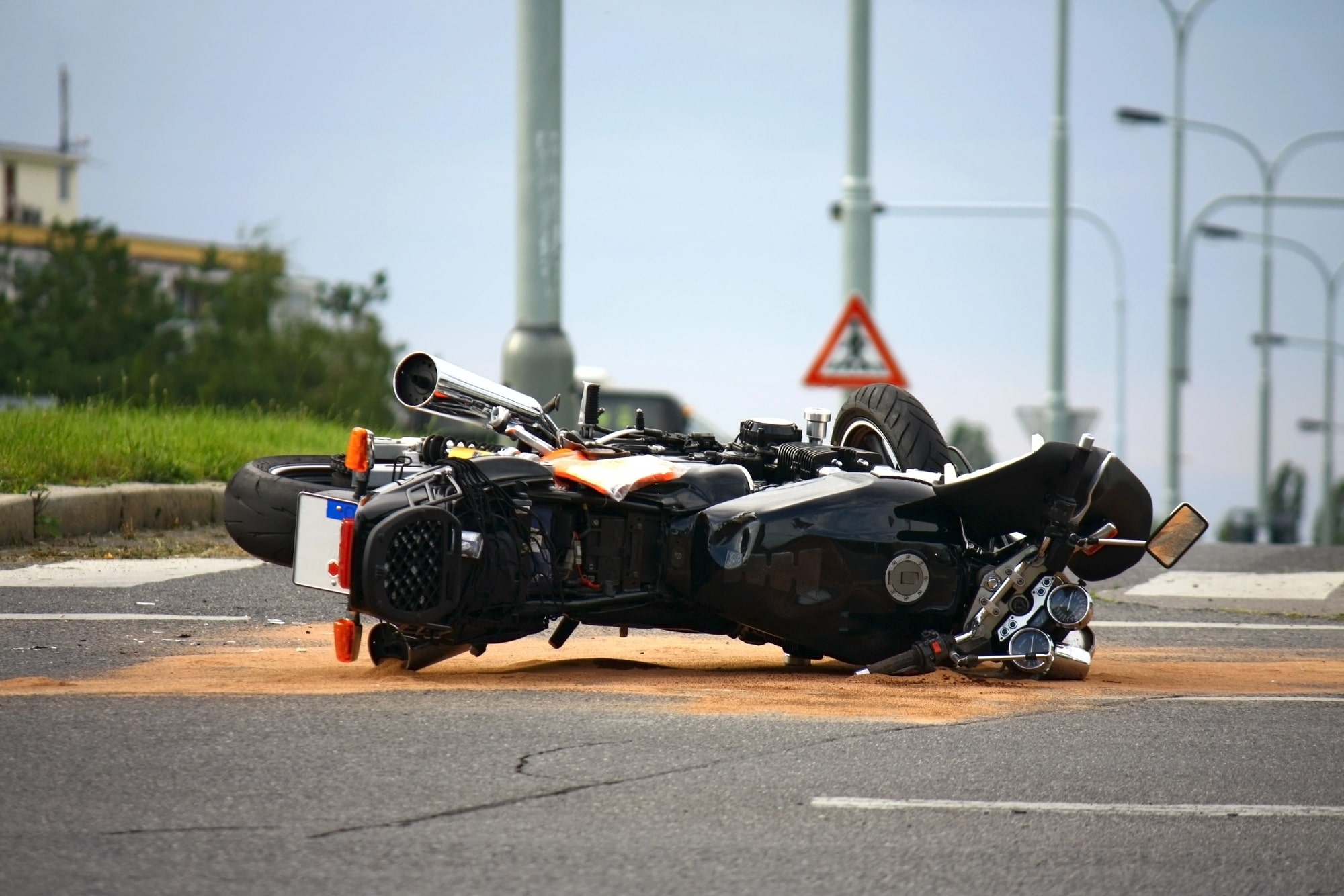
Many motorcycle crashes begin with a driver who did not see the rider or did not give the rider room. Georgia law addresses both problems directly. Two rules about lane use often decide who was in the wrong.
Under O.C.G.A. section 40-6-312, all motorcycles are entitled to full use of a lane, and no motor vehicle may be driven in a way that deprives a motorcycle of that full use. A driver who crowds a rider toward the edge of a lane, squeezes past in the same lane, or cuts in too closely is breaking that rule.
The statute also limits motorcycles to no more than two abreast in a single lane.
The law is just as clear on the rider’s side. It prohibits operating a motorcycle between lanes of traffic or between adjacent lines or rows of vehicles. A rider who passes between stopped cars hands an insurer an easy argument about fault, even if the other driver also made a mistake.
Questions about what proves fault therefore begin with the exact path the rider took before the crash.
Adjusters look for any fact that moves responsibility onto the rider. Common arguments include:
Each claim can be tested against the physical evidence, such as skid marks, vehicle damage, and video from nearby businesses. A Savannah motorcycle accident lawyer can review that evidence before an insurer’s version of events hardens.
Fault depends on the facts rather than on assumptions about motorcycles. Evidence that tends to matter includes:
Fault is often easier to show when the evidence is gathered early, while memories are fresh and the vehicles have not been repaired.
Not every crash involves a driver who stays at the scene. A driver who leaves after a collision creates a separate set of problems, and Savannah hit and run accident claims often depend on witnesses, video, and any partial plate information.
Passenger vehicles are also the most common vehicles involved in rider crashes, so many of these claims overlap with Savannah car accident cases in how the evidence is collected and how insurers respond.
Riders have little protection in a collision, and injuries can be severe. A head injury may not show its full effects right away, and a Savannah brain injury claim depends on prompt medical records that connect the symptoms to the crash.
Other injuries common to riders include fractures, road burns, and spinal injuries. Each should be documented from the first visit.
A serious injury can exceed what the at-fault driver’s policy pays, and a rider’s own policy may become the next source of recovery. Understanding uninsured motorist coverage before a crash helps a rider know what protection exists.
People searching for a Savannah motorcycle accident lawyer often want to know whether more than one policy might apply, and the answer usually depends on the riders’ own coverage as well as the other driver’s.
Chattahoochee Injury Law represents injury victims across Georgia. Founding attorney Benjamin Clary is licensed in Georgia, has been rated by Super Lawyers, and has 13 years of experience with injury cases.
Lane position can be hard to prove after the fact, and a rider hurt in a crash in Savannah can reach out to the firm to review the evidence before it disappears.