Free Consultation | 24/7 Live Answering
(912) 325-7783
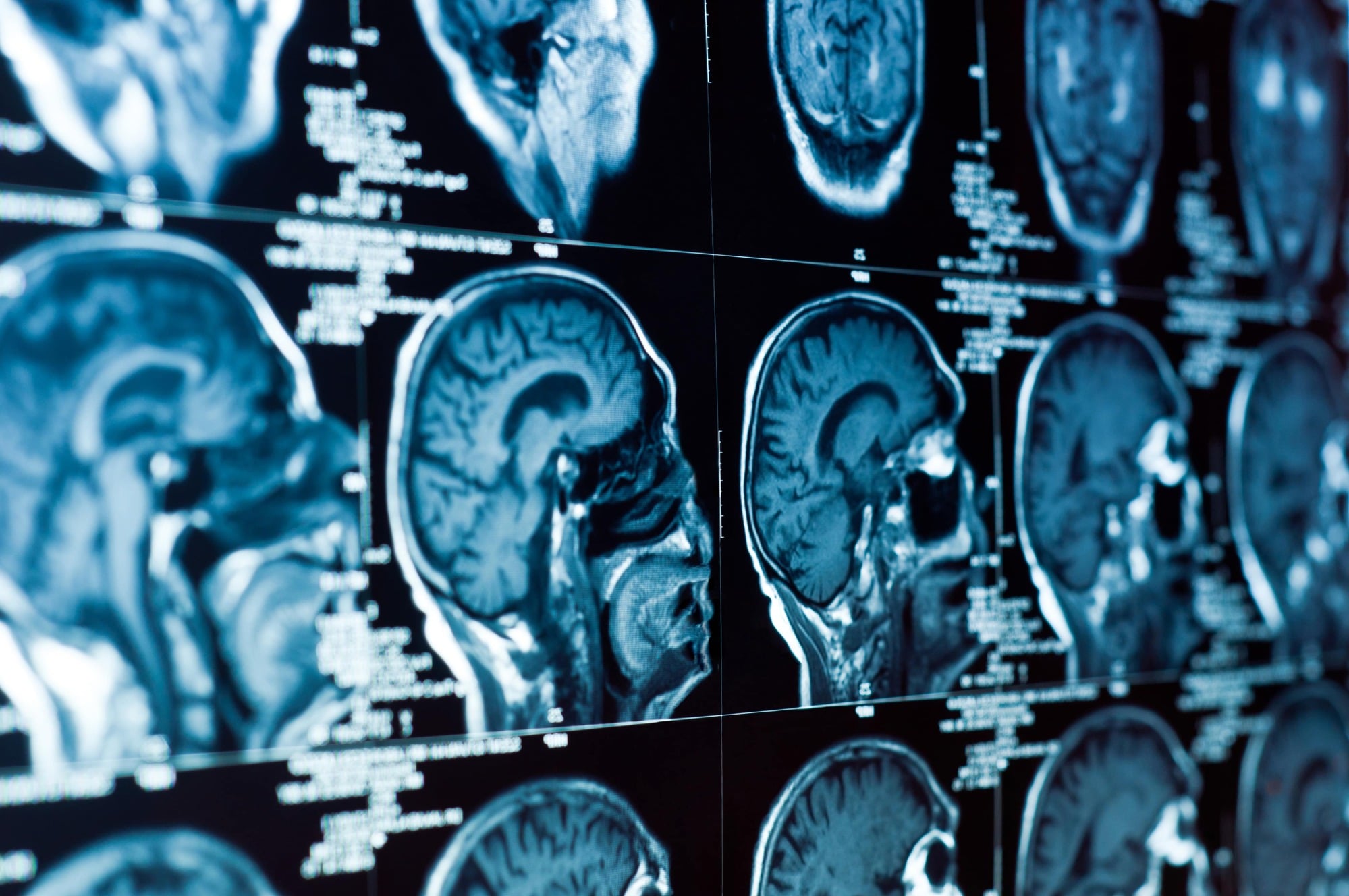
A brain injury doesn’t always look serious at the scene. Many people walk away from a crash or fall feeling shaken but fine, only to notice headaches, memory lapses, or mood changes days later. Others face a long hospital stay and months of rehabilitation.
Either way, a traumatic brain injury (TBI) can change how you think, work, and relate to the people around you. Understanding the injury helps you protect both your health and your claim.
A TBI is an injury that disrupts how the brain works. According to the Centers for Disease Control and Prevention, most TBIs are mild injuries or concussions, caused by a bump, blow, or jolt to the head, or by a hit to the body that makes the head move rapidly back and forth.
That sudden movement can cause the brain to twist or bounce inside the skull, damaging brain cells and changing brain chemistry. The CDC notes that even injuries labeled “mild” can have serious effects on how a person thinks, feels, acts, and sleeps.
More severe TBIs can involve bleeding, bruising, or swelling in the brain, skull fractures, or penetrating injuries, and may require surgery and extended care.
Head injuries can happen in almost any kind of accident. Some of the most common causes we see include:
TBI symptoms vary widely and may not appear right away. Watch for:
Repeated vomiting, slurred speech, seizures, worsening headaches, or unusual drowsiness call for emergency care right away. Even milder symptoms deserve prompt evaluation, which also creates the medical record your claim will rely on.
Insurance companies often push back on TBI claims, especially mild ones. A CT scan or MRI may look normal even when the brain has been injured, and adjusters use that to argue nothing is wrong.
Strong claims rely on more than imaging:
Our guide to what evidence you need for a personal injury claim explains how to build that record.
The financial and personal toll of a TBI can last for years. Claims may include:
Our guide to economic vs. non-economic damages explains how these losses are valued. When a brain injury leaves lasting disabilities, it may also be treated as one of the catastrophic injuries that require a lifetime care plan.
Memorial Health University Medical Center is the area’s Level I trauma center and treats the most serious head injuries in the region. Our guide to trauma centers and emergency rooms in Savannah covers where to go for different levels of care.
Follow-up care matters as much as the first visit. Keeping every appointment protects your recovery and shows insurers that you took the injury seriously.
Founding attorney Benjamin Clary has spent 13 years helping injured Georgians and their families through the challenges of brain injuries. He holds a Martindale-Hubbell AV Preeminent rating and handles every case on a contingency fee basis.
To learn more about how these cases are handled, visit our Savannah brain injury lawyer page. We also handle brain injury cases in Statesboro and across the region. If you or a loved one has symptoms after an accident, a personal injury lawyer at our firm can review your case for free.
Contact us today to schedule your free consultation.