Free Consultation | 24/7 Live Answering
(912) 325-7783

Some injuries heal. Others change a life permanently. A catastrophic injury can take away the ability to walk, work, or live independently, and it reshapes the lives of everyone in the family.
These cases are different from ordinary injury claims. The stakes are higher, the losses stretch across decades, and the insurance companies on the other side know exactly how much money is involved.
There is no single legal definition, but an injury is generally considered catastrophic when it causes permanent disability, prevents a person from returning to work, or requires long-term care. Examples include:
Our guide to back and spinal cord injuries explains how paralysis is classified and treated.
Catastrophic injuries usually come from high-force events. In and around Savannah, these often include:
The costs of a catastrophic injury rarely end when the hospital stay does. A full claim may include:
Our guide to economic vs. non-economic damages explains how each of these is valued.
Because most of the losses lie in the future, these cases require careful planning to value. Common tools include:
Settling before the full picture is known is one of the most costly mistakes in these cases. Recovery from a catastrophic injury often takes months or years to stabilize.
A catastrophic injury can easily exceed the at-fault driver’s policy limits. Georgia’s minimum auto liability coverage is far below what serious injuries cost. That makes it important to identify every possible source of recovery, including:
Understanding liability in Savannah accidents explains how multiple parties can share responsibility for a single crash.
Families don’t have to face these injuries alone. Georgia’s Brain and Spinal Injury Trust Fund Commission was created after voters approved a 1998 constitutional amendment, and it is funded by a surcharge on drunk driving fines. It offers grants to help survivors of traumatic brain and spinal cord injuries with needs such as equipment and home modifications.
Family members may also have their own claims. A spouse can pursue loss of consortium, and families coping with a fatal injury have separate wrongful death rights.
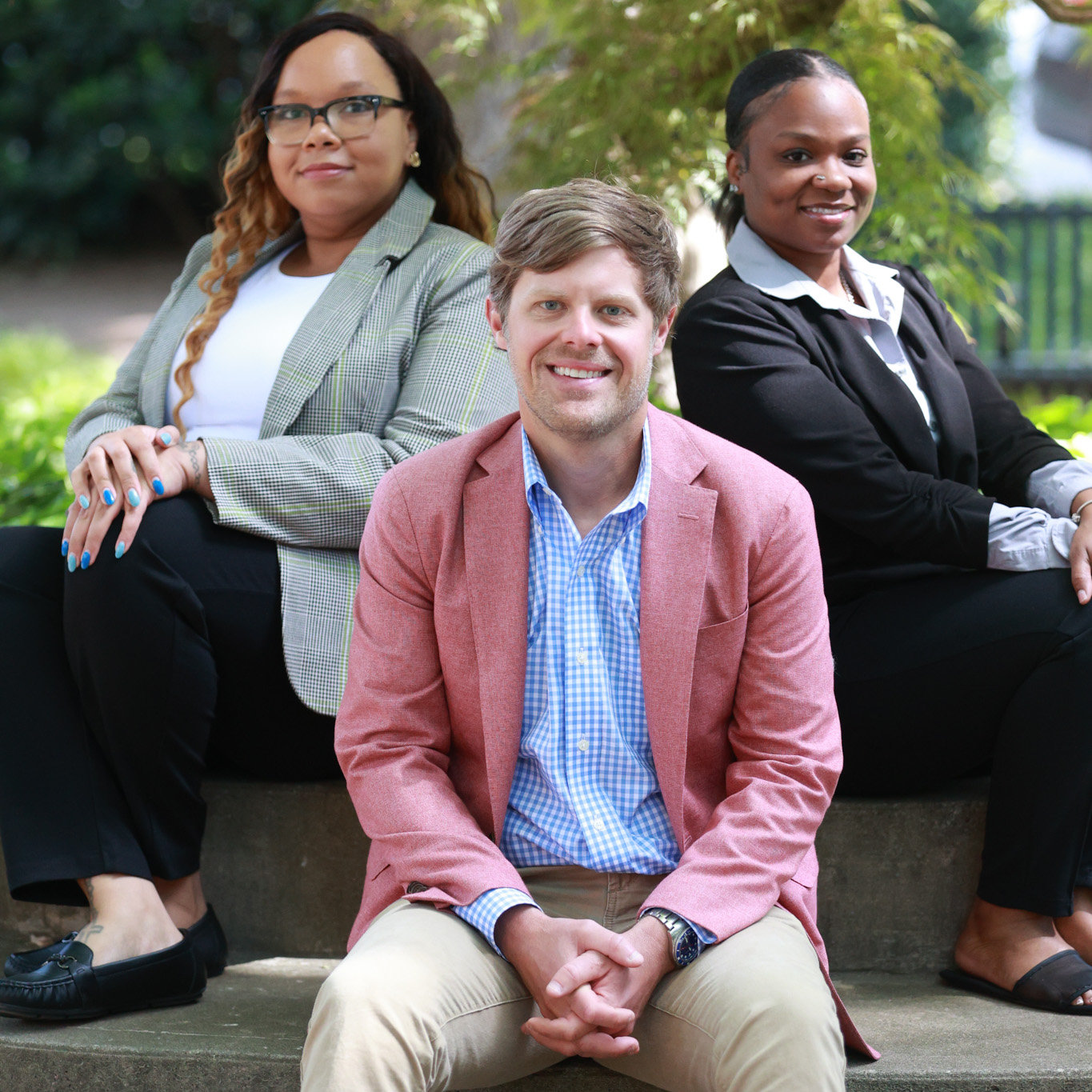
Founding attorney Benjamin Clary has spent 13 years helping Georgia families secure the resources they need after life-changing injuries. He holds a Martindale-Hubbell AV Preeminent rating and handles every case on a contingency fee basis, so families don’t take on legal bills during an already difficult time.
Visit our Savannah catastrophic injury lawyer page to learn more about these cases. We also represent families dealing with paralysis cases in Pooler and nearby communities. If someone you love has suffered a life-altering injury, a personal injury lawyer at our firm can review the case for free.
Contact us today to schedule your free consultation.