Were you injured in a rear-end accident in Savannah, GA?
At Chattahoochee Injury Law, we are trusted rear-end collision lawyers with 13 years of experience.
If another driver struck your vehicle from behind in Savannah, you may be entitled to compensation for your medical treatment, lost income, and vehicle damage. Chattahoochee Injury Law investigates the crash, documents your injuries, and pursues the claim against the at-fault driver’s insurer. Our Savannah, GA rear-end collision lawyer represents injured drivers and passengers on a contingency basis. Our founder has 13 years of experience with personal injury claims in Georgia, and the firm’s practice is limited to injury cases. Contact our office to schedule a free consultation.
Rear-End Collision Lawyer Savannah, GA
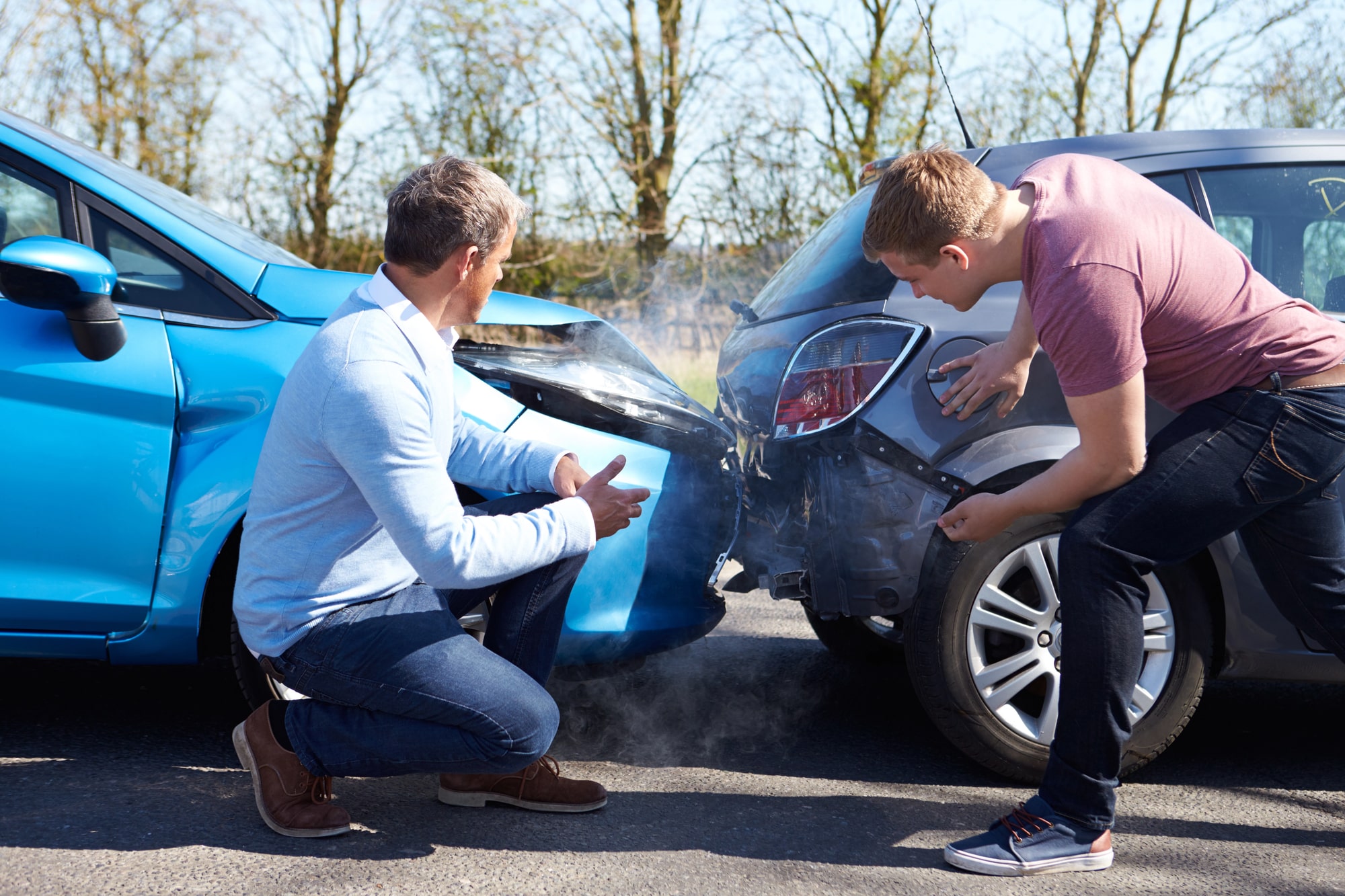
A rear-end collision occurs when the front of one vehicle strikes the back of another. Rear-end crashes accounted for 5,052 of the 12,463 crashes in unincorporated Chatham County from 2018 through 2022, more than any other crash type, according to the county’s safety action plan. These claims are governed by the same negligence principles as any other car accident in Georgia, and liability still has to be proven. The other driver’s insurer may argue that the lead vehicle stopped without reason, or that the impact was too slow to cause injury. A Savannah rear-end accident attorney answers those arguments with evidence: vehicle data, repair records, medical documentation, and the accounts of people who saw the crash.
Types of Rear-End Collision Cases We Handle in Savannah
A rear-end collision lawyer in Savannah handles crashes ranging from low-speed impacts at a traffic signal to high-speed strikes on the interstate. The type of vehicle that struck you, and the reason its driver failed to stop, determine who may be responsible and which insurance policies apply.
- Truck accidents. Box trucks, dump trucks, and delivery vehicles need considerably more distance to stop than passenger cars. These claims often involve an employer’s commercial policy in addition to the driver’s own coverage, so we identify every responsible business early.
- Rideshare accidents. The driver’s app status at the moment of impact determines which policy responds. We represent passengers, occupants of other vehicles, and rideshare drivers who were struck from behind.
- DUI accidents. Impaired drivers react slowly to brake lights and often strike stopped vehicles at full speed. The arrest report, toxicology results, and criminal case record can support a claim for punitive damages.
- Motorcycle accidents. A rider struck from behind has no surrounding structure to absorb the impact. We document the force of the collision and the full course of treatment, which can continue long after the crash.
- 18-wheeler accidents. Tractor-trailers carrying freight to and from the Port of Savannah share I-95 and I-16 with commuter traffic. When a loaded rig strikes a car from behind, we request the carrier’s electronic logging data, maintenance records, and dispatch information before it is lost.
- Hit-and-run accidents. When the responsible driver leaves the scene, the claim may proceed through your own uninsured motorist coverage. Traffic camera footage, business surveillance video, and witness statements can help identify the vehicle.
- Brain injuries. The rapid forward-and-back motion of a rear impact can cause a concussion even when the head strikes nothing. Headaches, memory lapses, and sensitivity to light may develop gradually, and we rely on the treating physicians’ records to connect those symptoms to the crash.
- Chain-reaction collisions. One late brake application on the Truman Parkway can push several vehicles into one another. Fault may be divided among multiple drivers, so we examine each impact separately.
- Sudden-stop collisions in congestion. Stop-and-go traffic on Abercorn Street and Ogeechee Road produces repeated low-speed impacts. The insurer’s position that a minor impact cannot cause a real injury is addressed through medical evidence, not repair costs.
Why Choose Chattahoochee Injury Law as My Rear-End Collision Lawyer in Savannah, GA?
Georgia Injury Practice With Savannah Roots
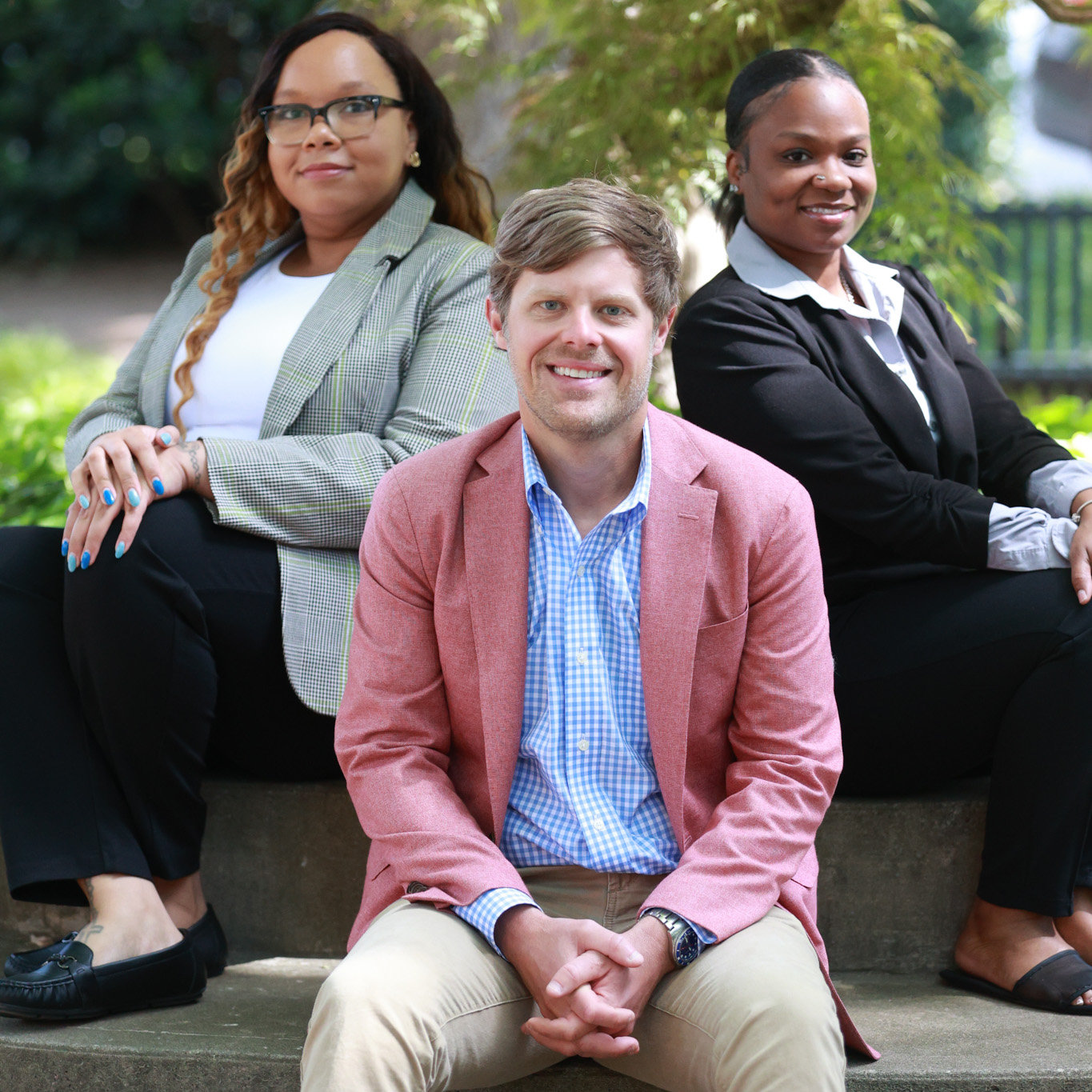
Benjamin Clary was born and raised in Savannah and was admitted to practice in Georgia in 2012. He founded Chattahoochee Injury Law and has 13 years of experience with personal injury claims, including car wrecks and premises liability cases. He studied at the College of Charleston and earned his law degree from the Walter F. George School of Law at Mercer University.
His recognitions include a rating by Super Lawyers and an AV Preeminent rating from Martindale-Hubbell for ethical standards and legal ability. The firm also holds memberships in trial lawyer and professional organizations. Our personal injury lawyer in Savannah, GA has both local knowledge and a practice devoted to injury claims that makes a difference for clients.
Results in Car and Commercial Vehicle Claims
We have helped injured clients recover millions of dollars. Results in vehicle claims include:
- $5,600,000 in a commercial car accident claim
- $750,000, also involving a commercial vehicle
- $415,000 for a client injured in a third commercial vehicle crash
- $155,000 recovered after a car accident
As rear-end collision attorneys in Savannah, we handle these cases on contingency. You pay no attorney fees unless we recover compensation for you.
What Is Important to Understand About a Rear-End Collision Case?
Damages, Liability, and Compensation for Rear-End Collision Cases
Georgia law allows an injured person to recover economic and non-economic losses from the negligent driver. The principal categories of recoverable damages are:
- Medical expenses: emergency care, imaging, therapy, and future treatment. For claims arising on or after April 21, 2025, Senate Bill 68 permits the jury to consider both the amounts billed and the amounts needed to satisfy those bills when it determines the reasonable value of that care.
- Lost income: missed wages and any reduced future earning capacity.
- Pain and suffering: physical pain, emotional distress, and limits on daily activities.
- Property damage: repair or replacement of the vehicle and personal items inside it.
- Punitive damages: available in limited circumstances, such as a crash caused by an impaired driver.
Every driver owes a duty of reasonable care, including a speed and following distance that allow a safe stop. Georgia applies modified comparative negligence. An award is reduced by the injured person’s percentage of fault, and a person found 50 percent or more at fault recovers nothing. The 2025 tort reform also limited how pain and suffering may be argued to a jury.
What Are Important Aspects of a Rear-End Collision Case?
The strength of a rear-end claim depends on evidence that must be collected soon after the crash.
- Vehicle data. Many vehicles contain an event data recorder that stores speed, braking, and throttle information from the seconds before impact. That record can show the trailing driver never slowed.
- Video. Traffic cameras, dash cameras, and nearby businesses may have captured the collision. Many systems overwrite footage within days.
- Delayed symptoms. Whiplash and other soft tissue injuries often become painful a day or more after the crash. Insurers frequently treat a gap in treatment as evidence of a minor injury.
- Distracted driving. Phone records and witness observations can show the trailing driver was looking at a screen or otherwise engaging in distracted driving.
- Statements to insurers. Anything said in a recorded statement to the other driver’s insurer may be used to dispute fault or injury severity.
What Is the Rear-End Collision Case Timeline?
A claim with clear liability may resolve within months. A disputed claim that proceeds to litigation can take a year or longer. Georgia’s two-year statute of limitations for personal injury sets the deadline for filing suit in most cases.
- Investigation and treatment. We collect the crash report, photographs, and vehicle data while medical care continues.
- Maximum medical improvement. The claim is valued once physicians can describe the injury’s long-term effects.
- Demand and negotiation. We present the documented losses to the insurer and respond to its evaluation.
- Filing suit. If negotiation does not produce a fair result, we file a lawsuit before the limitations period expires.
- Discovery, mediation, and trial. Both sides exchange evidence and take depositions. Many cases resolve at mediation before a trial date.
What Should You Bring to Your Rear-End Collision Consultation?
The more documentation you bring, the more specific a rear-end accident lawyer in Savannah, GA can be about your claim.
- The crash report, which for Savannah Police Department cases is available through the SPD Records Unit
- Photographs of the vehicles, the scene, and any visible injuries
- Medical records, bills, and discharge instructions
- Insurance cards, claim numbers, and any letters from insurers
- Pay stubs or employer records showing missed work
During the consultation, we review how the crash happened, discuss the medical treatment to date, and explain the options available under Georgia law. The consultation is free, with no obligation to proceed.
Most Dangerous Locations for Rear-End Collisions in Savannah
Chatham County’s safety action plan identified the locations below within its high-injury network, based on fatal and serious injury crashes in unincorporated Chatham County from 2018 through 2022. Several combine heavy traffic with signalized intersections, where drivers must stop frequently.
Dangerous streets:
- SR 204 (Abercorn Street) at Veterans Parkway: a cluster of serious crashes involving distracted and impaired drivers.
- SR 204 (Abercorn Street) near Pine Grove Drive: identified as a bottleneck with a crash frequency well above the state average.
- E. President Street between Dulany Road and Pennsylvania Avenue: the highest-scoring segment in the plan, with speeding noted along the corridor.
- E. Montgomery Cross Road near Truman Parkway: speeding and impaired driving noted along the segment.
- Skidaway Road at E. Montgomery Cross Road: the highest-scoring intersection in the plan.
Dangerous highways:
- US 17/SR 25 (Ogeechee Road): several high-injury intersections, including Chevis Road, Berwick Boulevard, and Chatham Parkway.
- US 80 between Johnny Mercer Boulevard and Fort Pulaski Road: speeding noted along the corridor.
- Truman Parkway at the Whitefield Avenue interchange: part of the county’s high-injury network.
- I-95 near SR 204: multiple serious-injury crashes at the Abercorn Street ramps and on adjacent interstate segments.
Reach Out to Chattahoochee Injury Law to Schedule a Consultation
If you were hurt in a rear-end collision, a free consultation with our Savannah rear-end crash attorney is the first step toward a documented claim. Chattahoochee Injury Law handles these cases on contingency, and you owe no attorney fees unless we recover compensation. Contact us to schedule a time to review your case.